Why can’t I donate blood after getting a cosmetic tattoo?
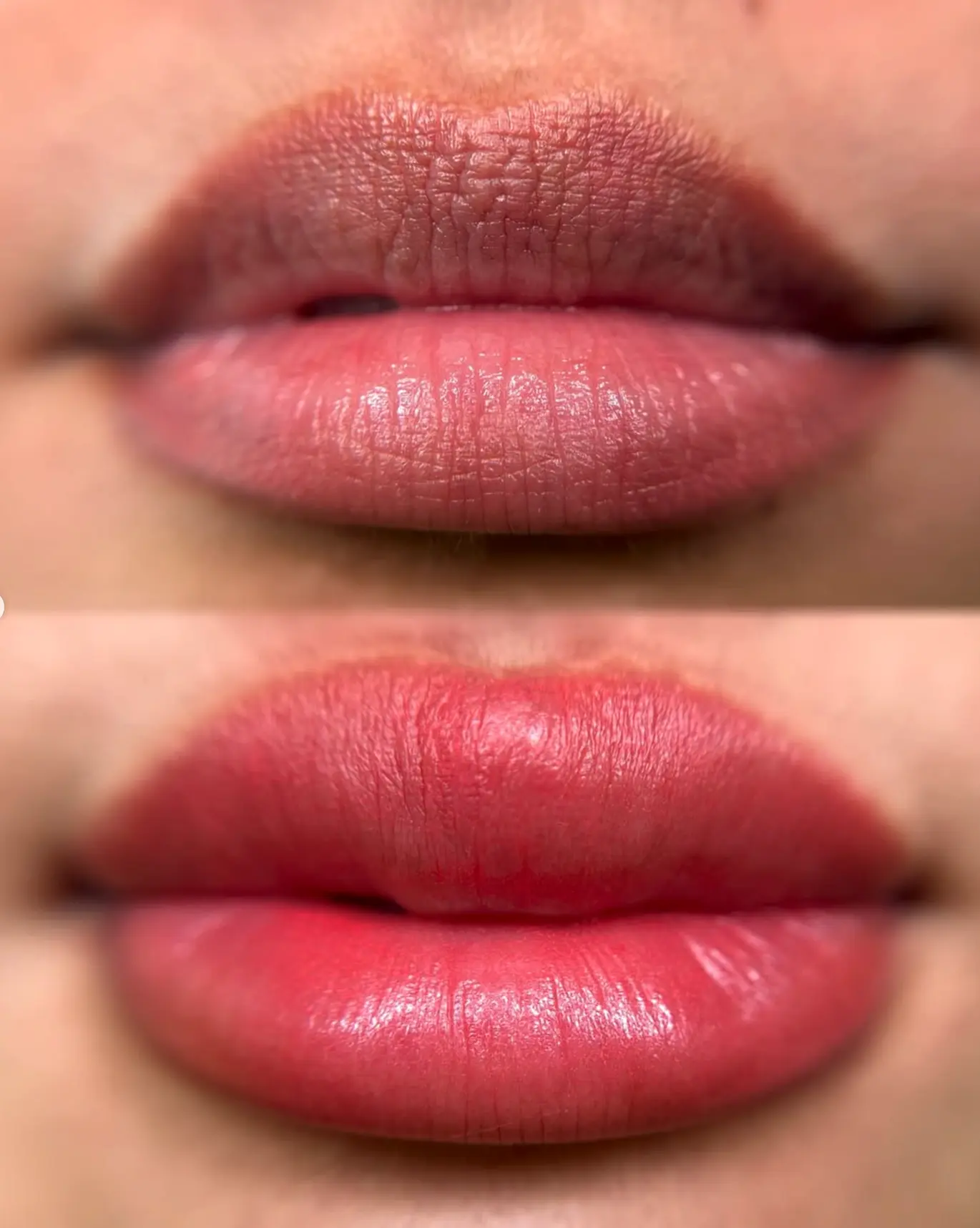
And someone hits you with the question: “Can you still donate blood?” Cue the mental pause. The short answer? Not immediately. And it’s got nothing to do with being inked, rebellious, or edgy — it’s about safety, healing, and avoiding the tiniest chance of cross-contamination.
At Cosmetic Tattoo Studio Face Figurati, we get this question all the time. So in this post — Why Can’t I Donate Blood After Getting a Cosmetic Tattoo? — We’re unpacking the real reasons behind the wait period, what it means for your health (and others’), and what the official guidelines actually say here in Australia.
Let’s clear this up, no guesswork, no fear-mongering — just facts, salon wisdom, and a bit of cheek.
Cosmetic Tattooing and Blood Donation: What to Know
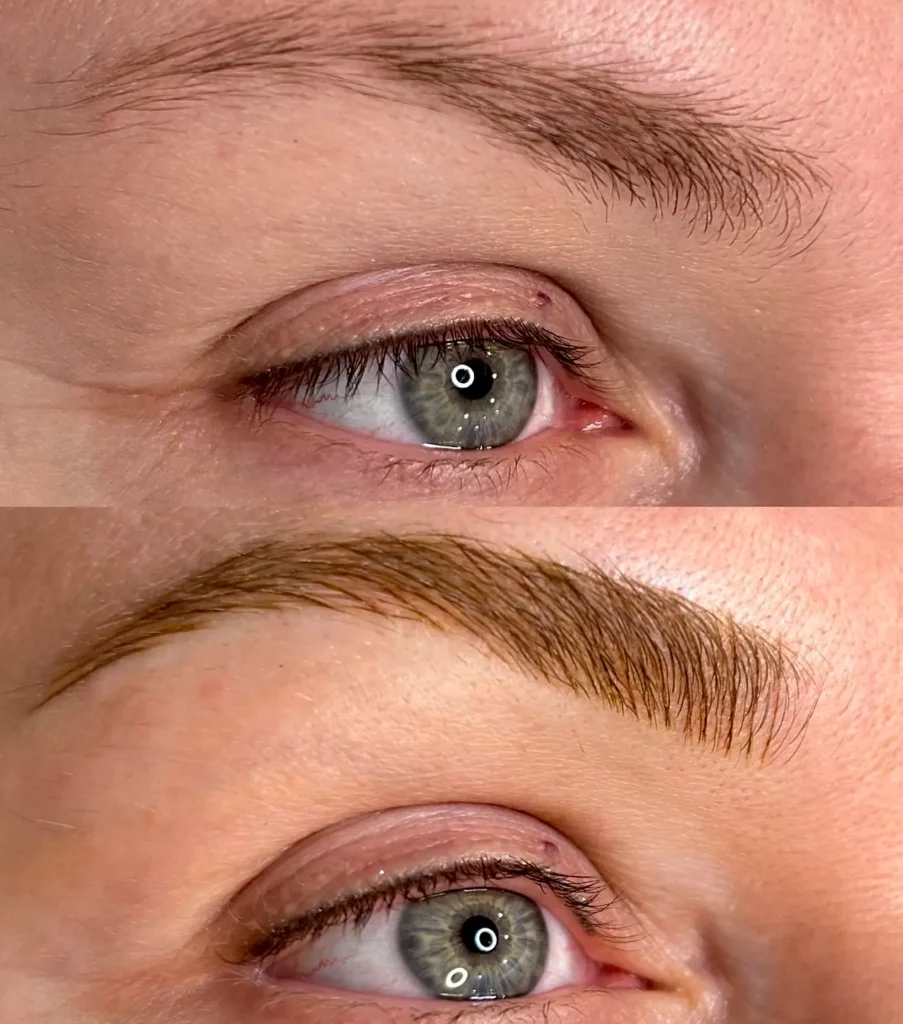
If you’ve ever had eyebrow tattoos, lip blush, or cosmetic tattoo eyeliner, you’ve technically had a minor skin trauma — even if it didn’t feel like much.
Cosmetic tattooing, also known as semi-permanent makeup or micropigmentation, involves implanting pigment into the upper layers of the skin. It uses specialised tools (not the same as a body tattoo gun) and is often done by trained cosmetic tattoo artists in a clinical or salon setting. A professional cosmetic tattooing artist will always use sterile equipment and proper hygiene protocols, but the deferral still applies.
Here’s where blood donation rules come in:
- When pigment is implanted into the skin, there’s a small risk of blood-borne viruses (like hepatitis B, hepatitis C, or HIV) if tools aren’t 100% sterile.
- Even with strict hygiene protocols in licensed tattoo parlours or cosmetic clinics, blood services need to account for the rare case where something could slip through, especially with procedures done outside a hospital or GP clinic.
Risk-Based Deferral Periods
In Australia, Lifeblood (formerly the Red Cross Blood Service) has a blanket deferral policy:
“If you’ve had a cosmetic tattoo, body piercing, or any form of skin penetration treatment that involves needles and breaks the skin, you must wait 4 months before donating blood.”
Why 4 months? It’s enough time for any potential infection, such as a bacterial infection or exposure to hepatitis, to present itself and for testing to pick up anything abnormal. It’s a standard public safety buffer to ensure the safest blood supplies.
What Tattoos Count Under Blood Donation Rules?
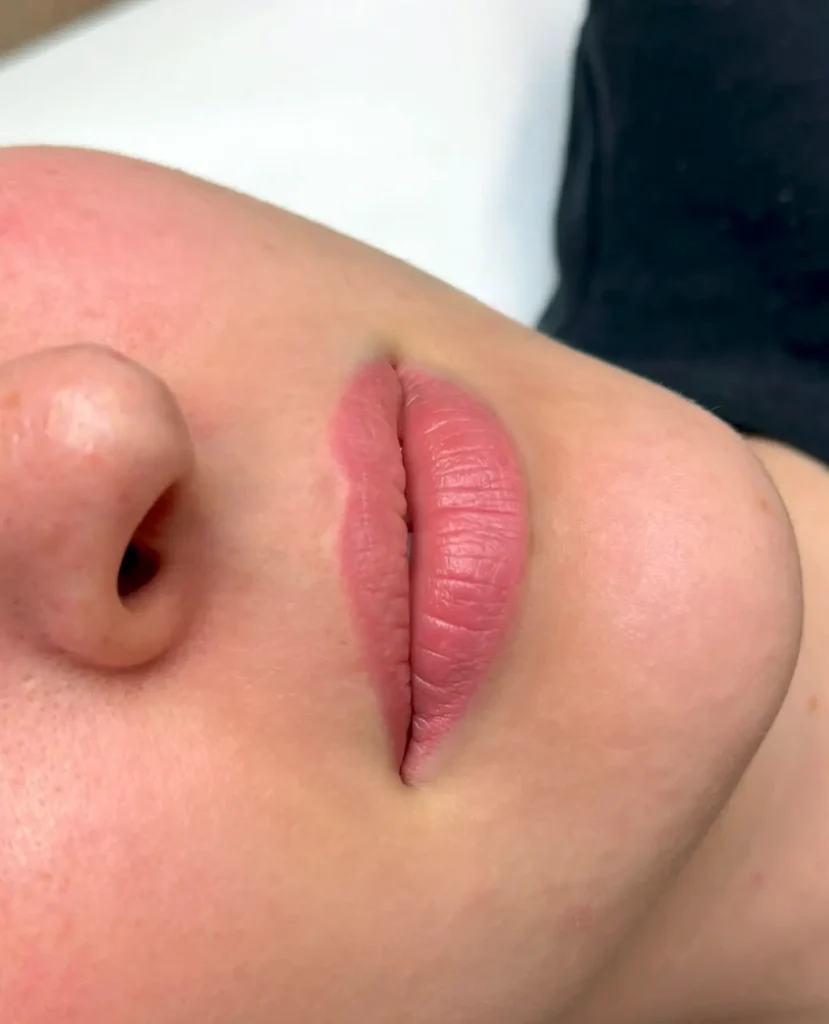
Here’s what will trigger a deferral:
- Eyebrow tattoos (including microblading, ombré, or powder brows)
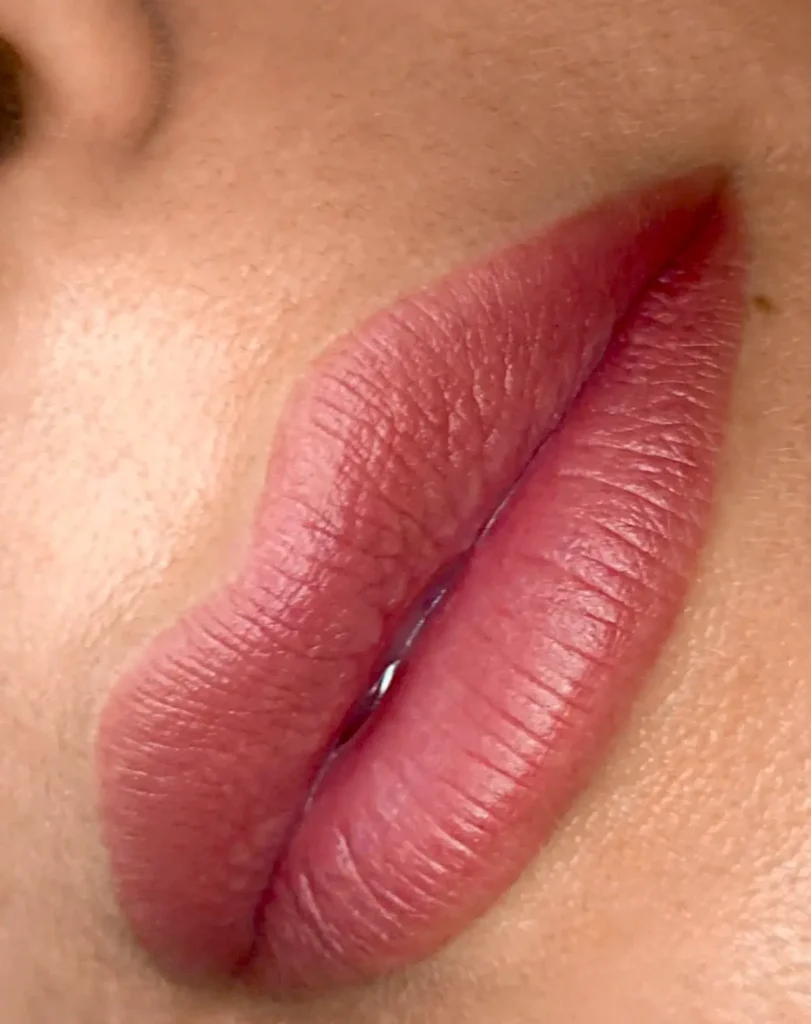
- Lip tattoos or lip blush treatments
- Cosmetic tattoo eyeliner (top, bottom, lash enhancement)
- Freckle tattoos or beauty marks
- Scalp micropigmentation
- Fresh tattoos from any Australian tattoo parlour or overseas premises
Even if your cosmetic tattooing was done in a clean, licensed establishment by a certified cosmetic tattoo artist, the wait still applies.
However — and this trips people up — if you had the procedure done in a registered medical facility using sterile, single-use equipment, you might be eligible to donate sooner. That’s one to check directly with Lifeblood, a major blood collection organisation.
Table: Cosmetic Tattooing and Blood Donation Timeline (Australia)
| Procedure Type | Done in Salon/Clinic | Done in Medical Facility | Blood Donation Wait Time |
|---|---|---|---|
| Eyebrow tattooing | Yes | Rare | 4 months |
| Lip tattoo / Lip blush | Yes | Rare | 4 months |
| Eyeliner tattoo | Yes | Rare | 4 months |
| Freckle or beauty mark tattoo | Yes | Rare | 4 months |
| Medical micropigmentation | Rare | Yes | Case-by-case |
Isn’t It Just Permanent Makeup?
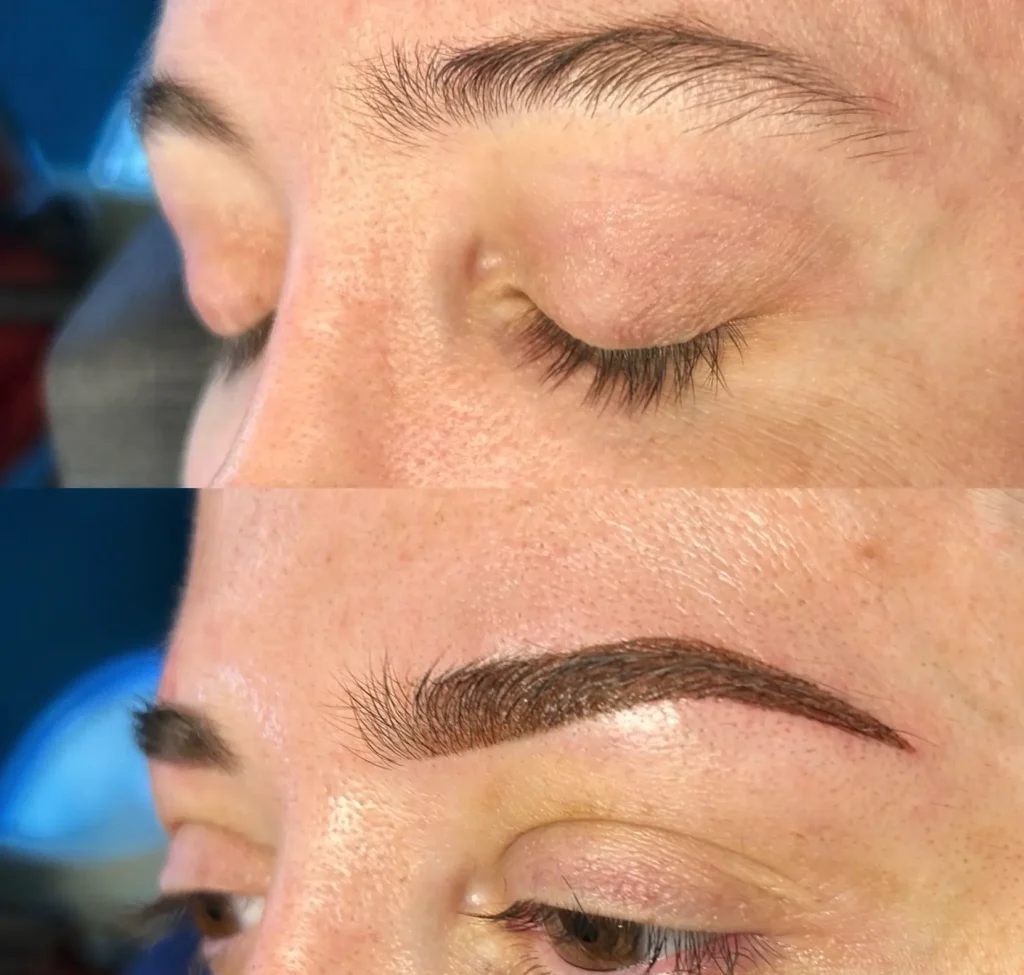
It is — and that’s the point. Even though cosmetic tattooing is often marketed as “non-invasive” or “gentle,” your skin barrier still gets breached. That means the immune system gets involved, healing kicks off, and your body’s open (literally) to risks it wouldn’t otherwise face.
You might not feel sore or see blood, but your skin is technically recovering from micro-injuries. That healing window is crucial for protecting recipient safety and maintaining an ongoing blood supply.
The deferral isn’t about judging people with tattoos — it’s about protecting the blood supply and allowing time for your current health to stabilise.
Do Laser Edits Count?
Good question. If you’ve recently had:
- Laser tattoo removal
- Saline tattoo lightning
- Touch-up sessions on existing brow/lip/liner tattoos
…you still need to count from the date of your last procedure. Each session resets the 4-month deferral clock.
So if you had a brow touch-up in March, you’ll be eligible again in July, just in time for your next blood donation appointment.
How Big Is the Trend?
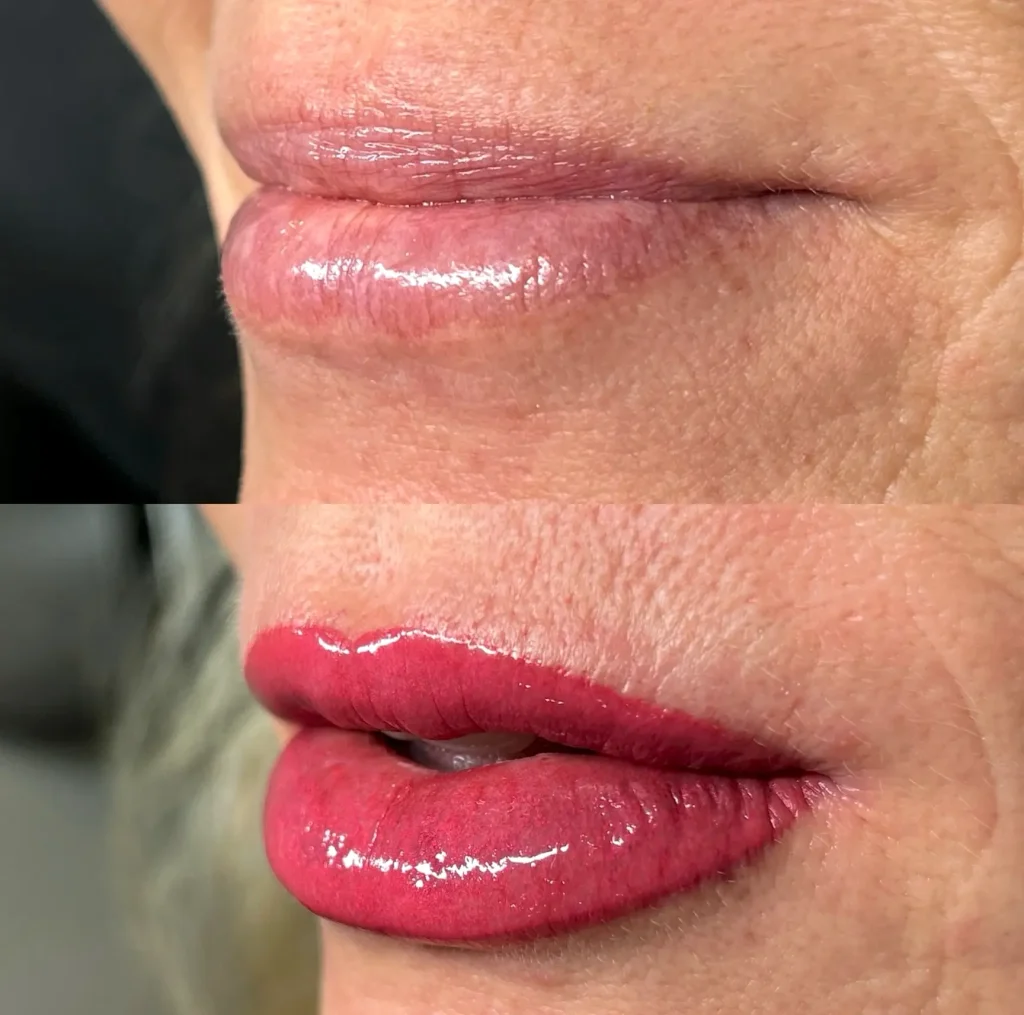
Cosmetic tattooing has exploded across Australia in the past five years. According to industry reports, over 138,000 cosmetic tattoo procedures were performed nationally in 2024 — a figure up 20% from 2022.
Top trending procedures in 2025:
- Combo brows (blade + shade)
- Lip neutralisation for deeper skin tones
- Subtle lash enhancement tattoos
- Freckle and faux beauty mark placement
- The trend for tattoos is showing more than ever before
And no surprise, Cosmetic Tattoo Melbourne studios are reporting record numbers of bookings thanks to both locals and interstate travellers.
A recent Lifeblood survey also revealed that many tattooed donors were unaware of the wait time, yet they make some of the most perfect donors due to their overall health profiles and commitment to regular giving.
That means clearer communication around donor eligibility and post-tattoo timelines is more important than ever.
Why It’s Not Just About Your Health
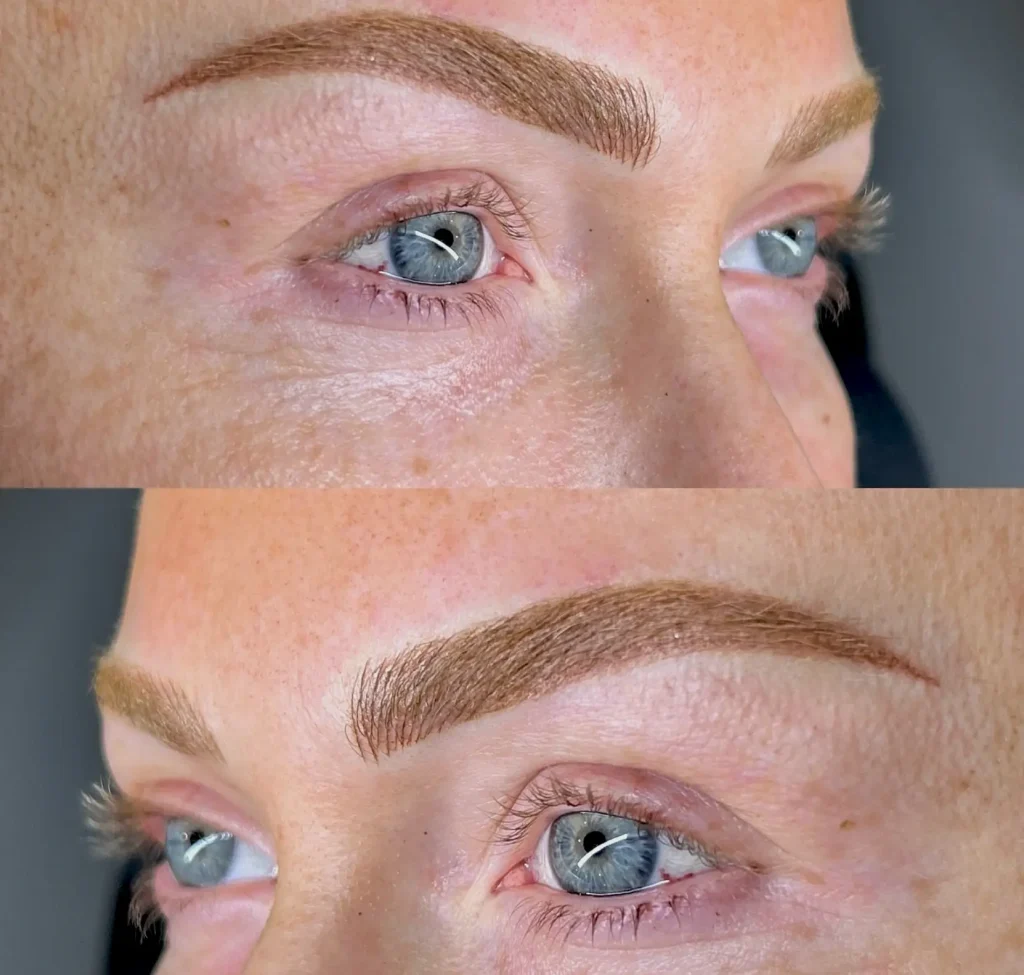
Even if you feel great post-tattoo and your skin’s healing beautifully, donating blood isn’t just about you — it’s about the person who receives it. Every unit supports blood transfusions, treatment for types of cancers, surgery recovery, and emergency response.
A single unit of donated blood product can help multiple patients. For those with compromised immunity or health conditions, even a small risk could be a threat to health.
So when in doubt? Wait it out.
What You Can Do Instead
Not eligible to donate just yet? Here are a few other helpful things you can do in the meantime:
- Encourage others to book in via the Blood app
- Register your interest so you’re in the system once your waiting period ends
- Explore donation type alternatives like plasma donation — rules vary!
- Check eligibility criteria via Lifeblood’s online eligibility quiz
- Keep your blood pressure, blood glucose, and iron levels in check
Final Thoughts
If you’re feeling a bit guilty after finding out you can’t donate blood post-tattoo, don’t. You’ve done nothing wrong.
You’ve invested in your natural features, your confidence, and your self-expression — all while likely supporting a licensed tattoo parlour or dedicated cosmetic clinic. That’s a win.
Whether you opted for full lip blush or something subtle like cosmetic tattoo eyeliner, you’ve taken a step to feel more polished day-to-day.
Just set a reminder, let your donor centre staff know about your timeline, and when you’re ready, come back in.
There’s always a need for extra blood donations, and frequent blood donors keep the shelves stocked.
FAQ
Can I donate blood if my tattoo was done with a blade, not a machine?
No — even microblading or manual techniques still break the skin, so the 4-month rule applies.
What if my tattoo artist used single-use needles and wore gloves?
That’s best practice (and what we do in our studio), but it doesn’t change the official eligibility requirements. The deferral still stands.
Can I donate plasma if I’ve had a cosmetic tattoo?
Plasma donation rules are a bit more flexible. You might be eligible sooner — speak with an eligibility specialist or check the Lifeblood website.
Does the 4-month deferral restart after every touch-up?
Yes. Any time you have pigment re-implanted — even in a small area — the period of time following the procedure must be respected again.
Is this the same rule for body tattoos?
It is. Cosmetic and traditional tattoos — or even ear piercings and body piercings — all follow the same deferral guidelines in Australia.