Do They Numb Your Lips Before Lip Blushing?
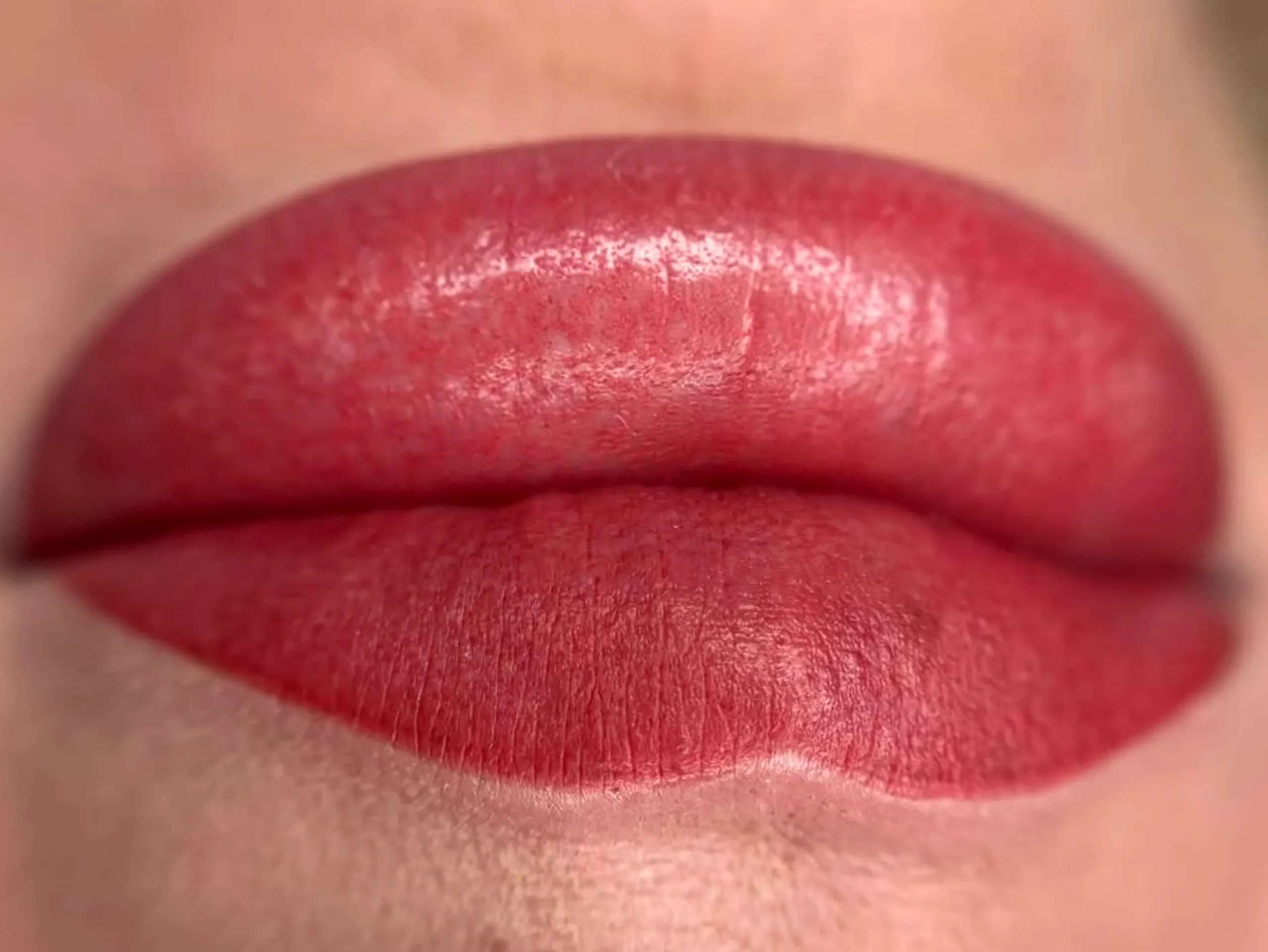
So you’re sitting there wondering, “Do they numb your lips before lip blushing?” You’re not alone. I get asked this in my Melbourne studio daily. And trust me, as someone who’s been doing cosmetic tattooing for almost a decade, I know exactly why you’re asking. The thought of lip tattoo procedures with a cosmetic tattoo gun? Terrifying — until you actually understand how it all works.
I’m Olha Po, a licensed tattoo artist specialising in cosmetic tattoos and founder of Cosmetic Tattoo Studio Melbourne Face Figurati, and in this guide, I’ll walk you through the whole process, from local anaesthetic and secondary numbing to the healing process, with a healthy dose of salon honesty. By the end, you’ll know exactly what to expect before, during and after your appointment.
Why Numbing Is Part Of Every Session
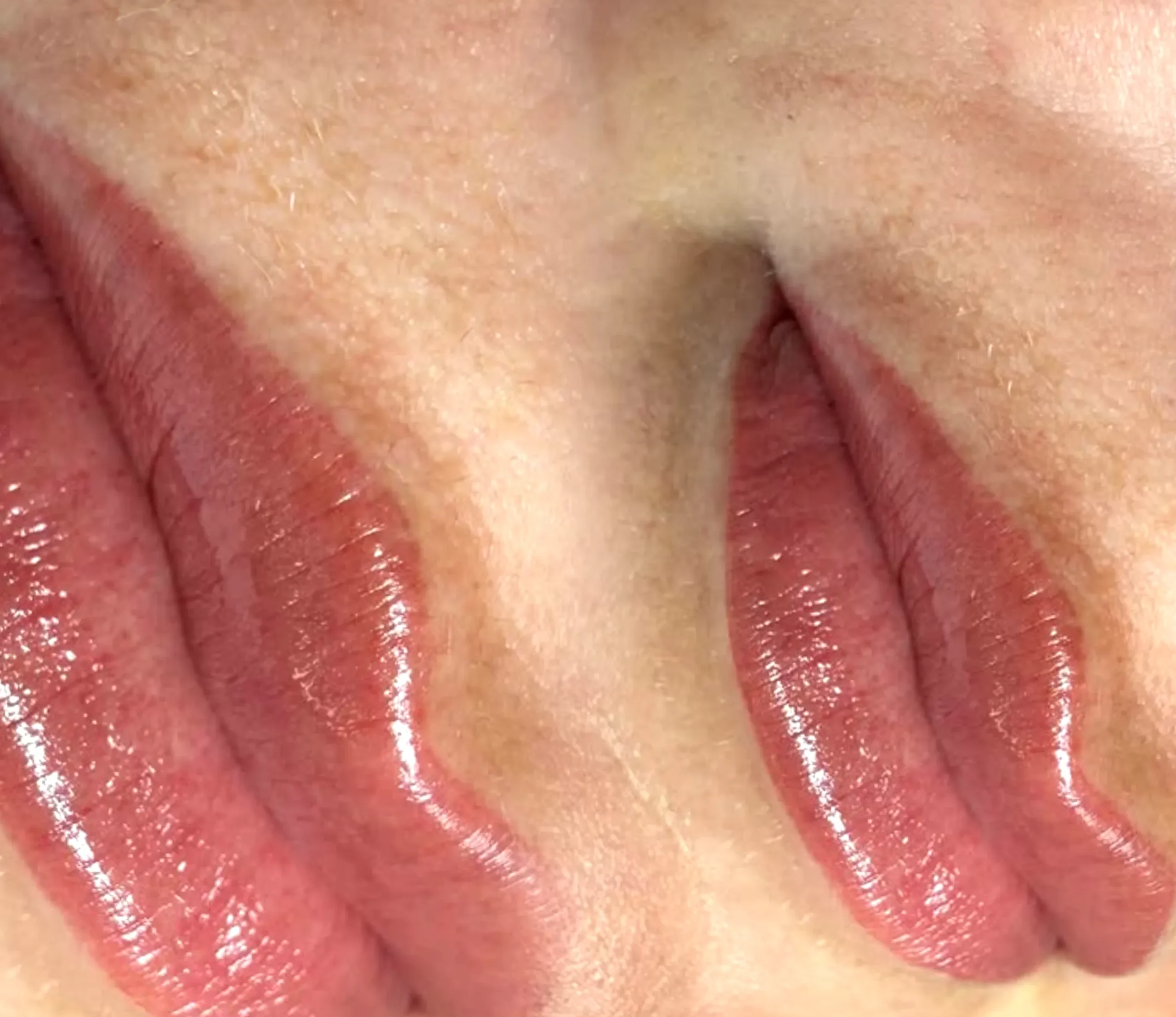
No one books in for semi-permanent makeup hoping to “grit their teeth and bear it”. Comfort is key. That’s why numbing is standard practice in cosmetic procedures like lip blush tattooing. Topical anaesthetics are applied before and throughout your appointment to keep any discomfort to a minimum. It’s not about making it pain-free (that’s unrealistic) but about making it manageable and calm for every client experience.
The Types Of Numbing Agents We Use
Every tattoo artist has their preferred products, but in Australia, we typically use topical anaesthetic gels or creams. These are applied to the lip surface and allowed to take effect before any tattooing begins. During the session, secondary numbing solutions can be added to keep you comfortable as pigment deposit work continues.
Commonly Used Topical Numbing Agents
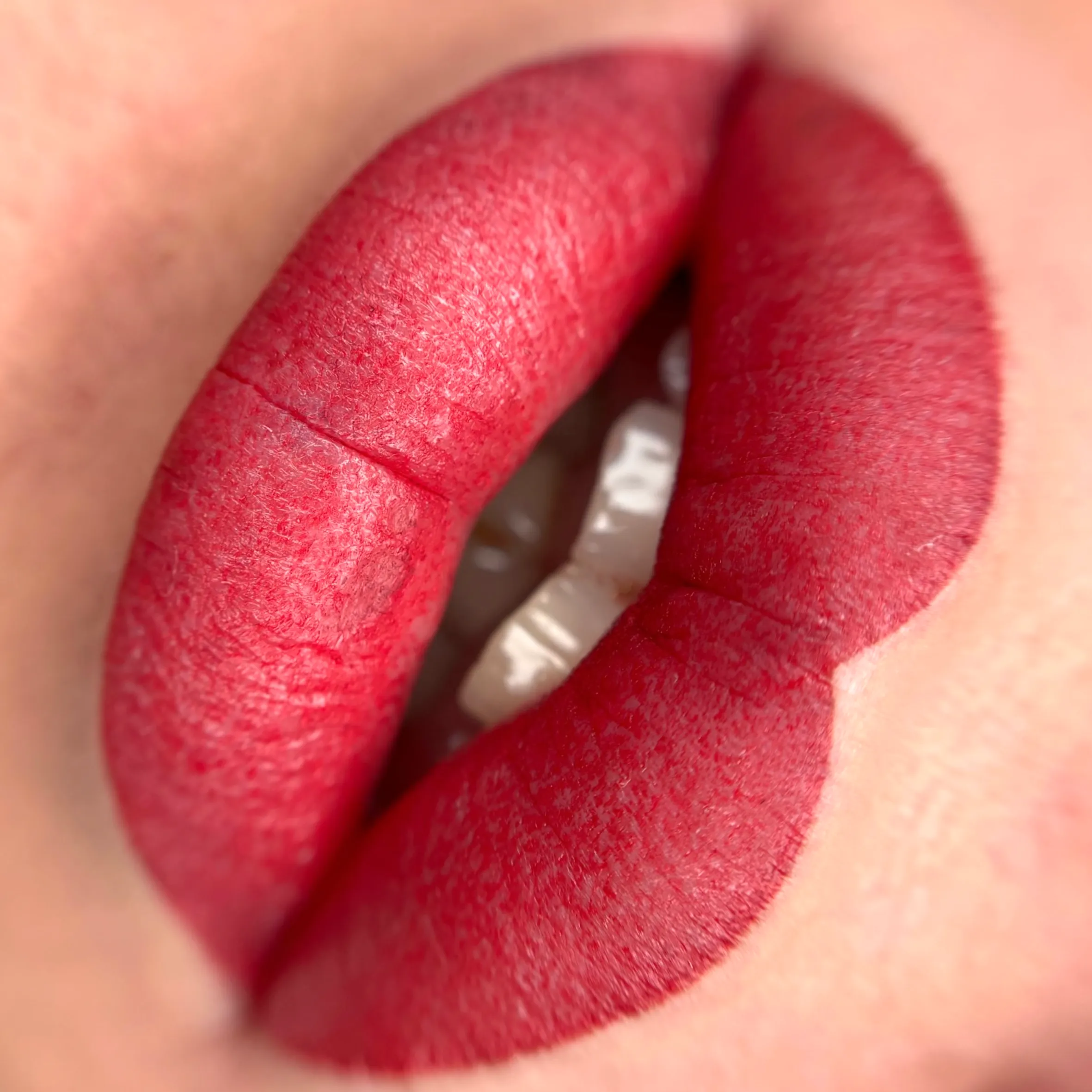
| Product Type | When It’s Applied | How Long Does It Last |
|---|---|---|
| Pre-numbing cream | 15–20 minutes pre-session | Around 30–45 mins |
| Secondary gel | During tattooing | Refreshes comfort |
| Cooling agents | Post-procedure | Short relief only |
Do We All Feel the Same Level of Sensation?
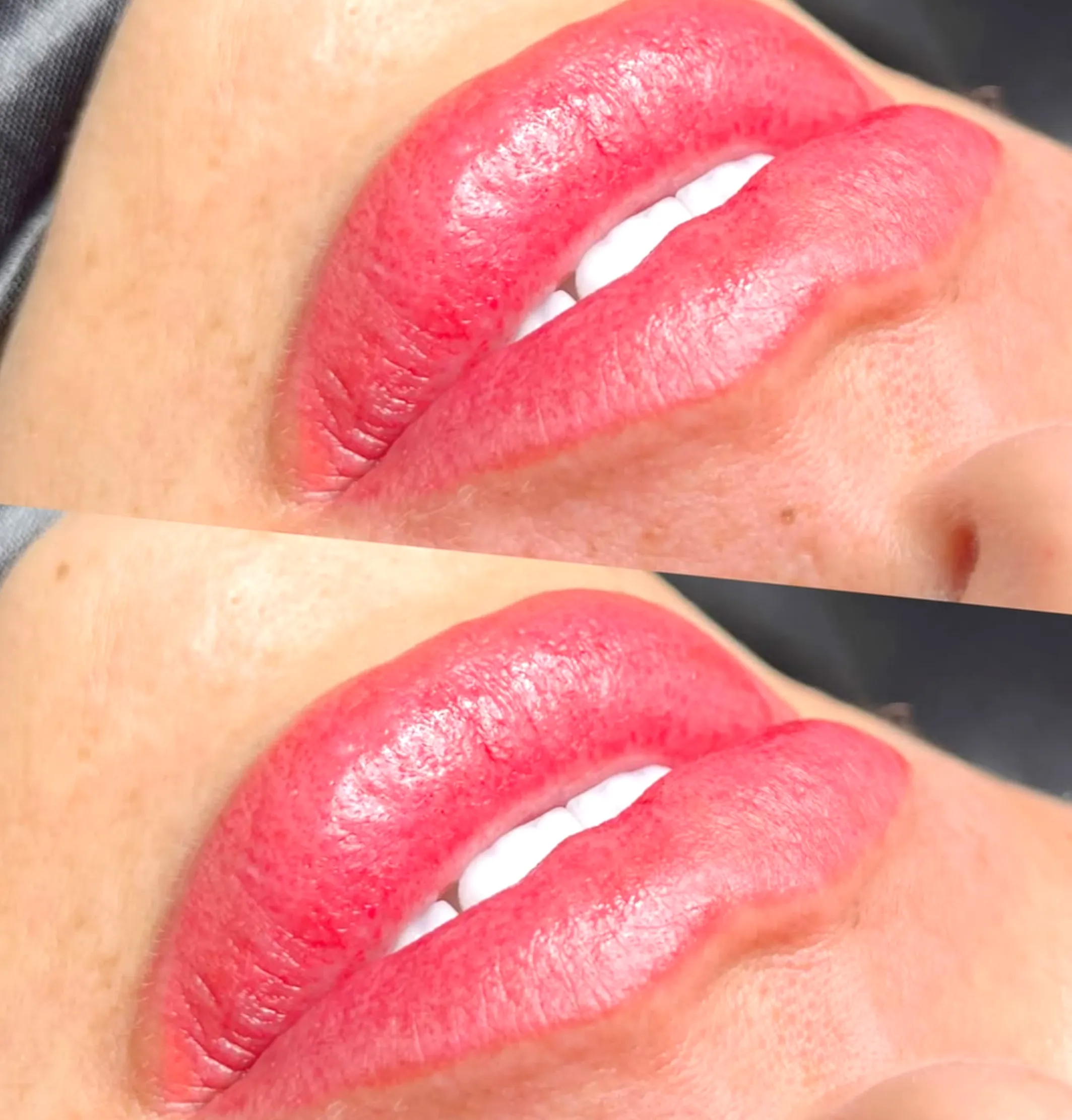
Nope. Pain tolerance is like coffee orders in Melbourne — everyone’s got their own version. Some clients tell me they barely felt a thing, others feel more. Factors include hormonal cycles, skin tone, hydration levels and how much sleep you had the night before. The numbing cream does its job, but your personal threshold also plays a role.
What the First 30 Minutes Really Look Like
The start of your appointment is all about prep. After we’ve had our consult, mapped your lip line and chosen lip pigments using colour swatches and colour theory, I’ll apply a numbing cream. This sits for about 15-20 minutes while we chat, drink water and double check you’re comfortable. Only once I’m sure you’re settled will we start the lip tattooing process.
Numbing During the Tattooing Process
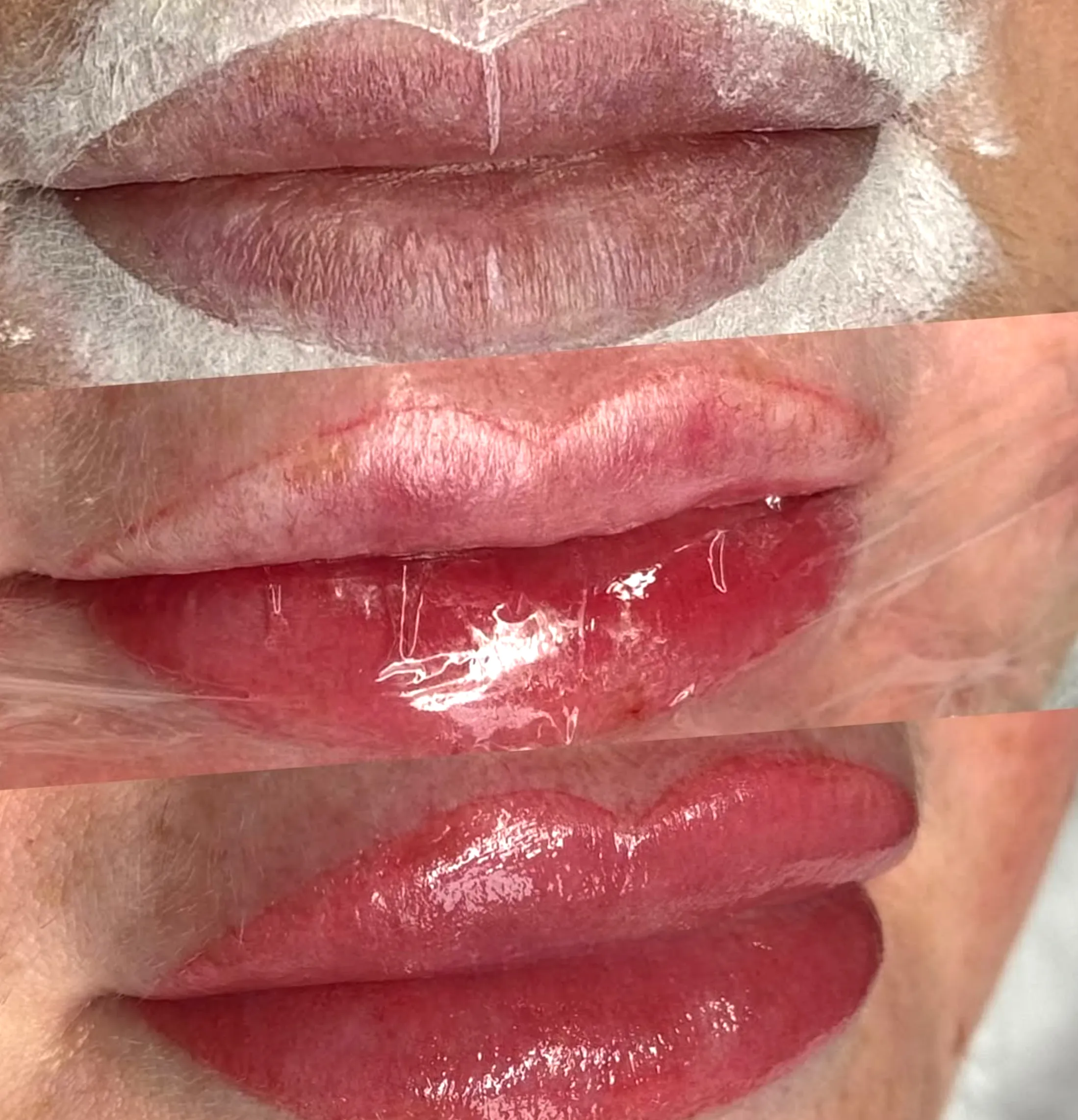
Here’s the thing: the numbing doesn’t stop after the first application. As I work through different tattooing techniques and stretching techniques on your lips, I’ll reapply secondary numbing agents. These penetrate faster once the mucous membrane and lip tissue have been gently opened, so relief kicks in more quickly if you start to feel any sensation.
How Much Does It Actually Hurt? Real Talk
Clients come in with horror stories from friends or the internet. The reality? Lip blushing feels more like a scratchy vibration from a cosmetic tattoo gun than a deep, painful tattoo. On a discomfort scale of 1 to 10, most people describe it as a 3 or 4 — annoying but not unbearable. With proper numbing, you should be relaxed enough to chat throughout.
When Numbing Might Not Feel So Effective
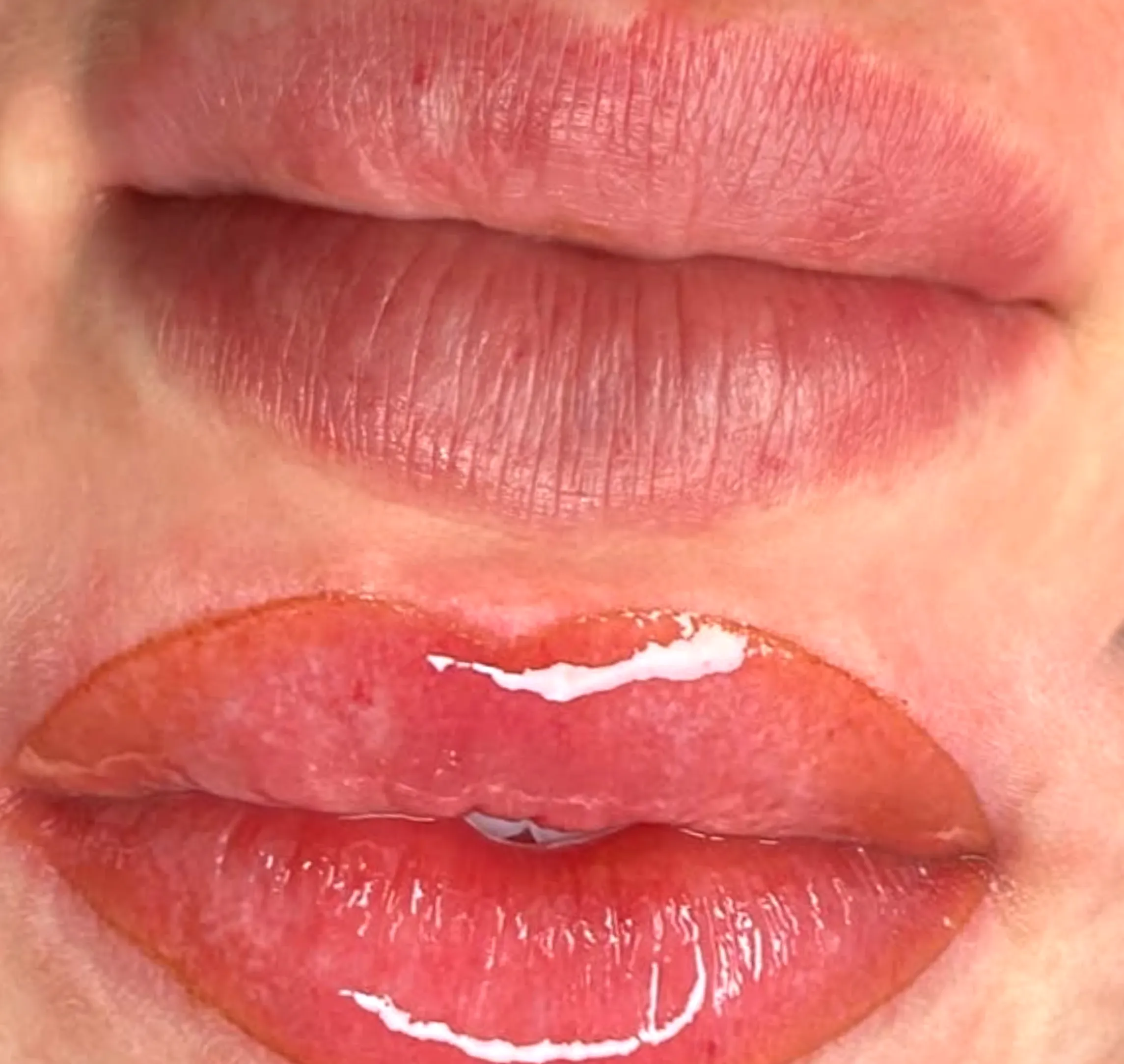
There are a few scenarios where you might feel more than expected, even with numbing:
- If you’ve had caffeine or alcohol before your appointment (both thin the blood and heighten sensitivity).
- If you’re on your period (hormonal changes can increase discomfort).
- If you’ve had dermal fillers or lip injections recently (lips can be tender for weeks after).
- If you’ve had a chemical peel or other cosmetic procedures close to your appointment date.
Knowing these factors helps us schedule your appointment for the most comfortable experience.
The Science Behind Numbing Creams
Topical anaesthetics work by blocking nerve signals in the skin. Ingredients like lidocaine or tetracaine stop those pain messages from reaching your brain. They’re safe when applied correctly and wear off gradually without affecting your ability to eat, drink or speak normally afterwards.
In fact, according to a 2023 Australian semi-permanent tattoo survey, 92% of clients reported that numbing made their procedure significantly more comfortable — so these creams aren’t just for show.
What If You’re Allergic or Sensitive?
Safety always comes first. Before applying any numbing agent, I’ll ask about your medical history and allergies. While rare, some clients can react to topical anaesthetics. People with autoimmune disease or certain sensitivities may require alternative approaches. In those cases, we adjust with gentler products, lip guards or slower pacing and in some extreme cases, we may need to skip the treatment altogether. At Cosmetic Tattoo Studio Melbourne Face Figurati, I never take risks with skin integrity or client comfort.
Preparing Your Lips for Maximum Comfort
Want to make sure your numbing cream works its best? Here are a few tips:
- Arrive hydrated — dry lips resist pigment saturation and numbing agents.
- Skip caffeine, alcohol and painkillers 24 hours before.
- Exfoliate gently with lip exfoliation the night before to remove dead skin.
- Avoid using active skincare (like retinol or acids) or having a chemical peel around the mouth for a week prior.
- If you’re prone to cold sores (herpes simplex virus), ask your GP about taking antiviral medication before your session.
Healing and Tenderness
The numbing cream only lasts during your appointment. Once you leave the studio, you may feel tenderness similar to a mild sunburn. This usually lasts 24-48 hours, easing each day. Cold compresses, lip balm, SPF protection, and gentle aftercare balms help soothe this stage of the healing process.
Pain Comparison
Clients often ask me if lips hurt more than brows or eyeliner. The short answer: yes, slightly. Lips are more vascular and sensitive. But because numbing is so effective, the overall experience is still very manageable. Think of it as the difference between threading your brows and waxing your upper lip — one’s just a bit zingier.
Real Client Story: “I Was Scared for Nothing”
One of my recent Melbourne clients, Sarah, booked lip blushing Melbourne style after years of overlining with lip gloss and liner. She confessed she was terrified of the pain. After 20 minutes of numbing and a calm chat, she was shocked at how easy it felt. Her words? “Honestly, the dentist was worse.” By the end, she wished she’d done it sooner.
Common Myths
There’s a lot of misinformation out there, so let’s bust a few myths:
Myth: Semi-permanent makeup on the lips is unbearably painful.
Truth: With local anaesthetic and numbing, it’s very tolerable.
Myth: Numbing makes your lips swell unnaturally.
Truth: Any swelling is temporary and due to tattooing techniques, not the cream.
Myth: If numbing wears off, you’re stuck.
Truth: Tattoo artists can reapply secondary numbing throughout to keep you comfortable.
Healing Timeline After Your Appointment
Here’s what you can expect post-treatment:
- Day 1-2: Lips feel tender and may swell slightly.
- Day 3-5: Flaking begins — resist the urge to pick at lip rolls.
- Day 6-10: Colour looks patchy as pigment deposit settles.
- Week 2-4: Lip colour resurfaces and evens out with a natural colour gradient.
- Week 6-8: Touch-up session perfects the final pigment saturation and lip neutralisation if needed.
By following aftercare properly, discomfort should be minimal after the first couple of days.
How Numbing Impacts Final Results
Here’s a little secret: relaxed clients heal better. When you’re not tense from pain, your skin takes semi-permanent ink and lip pigments more evenly. That means better pigment deposit, colour theory application and a natural-looking finish. So yes, numbing isn’t just about comfort — it’s about the outcome too.
Why Melbourne Clients Book Seasonally
Our Melbourne climate can be crazy. Cold winters dry out lips faster, so numbing isn’t as effective if your lip tissue is cracked. Hot summers make swelling more noticeable and increase sun exposure risks. I always advise clients to book during a season when their lips feel balanced — it really helps with both comfort and healing.
Price Context: What You’re Paying For
Lip blush sessions in Melbourne range from $500 to $900, depending on the tattoo artist’s experience. This includes not just the semi-permanent ink, colour swatches and artistry but also premium numbing agents, hygiene protocols, lip guards and ongoing aftercare support. You’re not paying for “just a tattoo” — you’re paying for safe cosmetic tattooing and professional service. We even offer a lip tattoo course for those who want to advance their career and learn lip blush tattooing properly.
Key Takeaway: Comfort and Safety First
So, do they numb your lips before lip blushing? Yes. Not only is numbing standard but it’s essential to ensure you feel calm, comfortable and confident throughout the entire cosmetic tattooing process. As a professional tattoo artist at Cosmetic Tattoo Studio Melbourne Face Figurati, I will always put your comfort, pigment saturation and skin safety above everything else.
Final Reflection
Lip blushing isn’t about “no pain, no gain”. With proper numbing, lip exfoliation prep and attention to pigment deposit, it’s about comfort, calm and results that heal beautifully. At Cosmetic Tattoo Studio Melbourne Face Figurati, I make sure every client walks out not only with enhanced lips but also with the confidence that their comfort and safety were prioritised at every step.
Written by Olha Po, Certified Cosmetic Tattoo Artist & Founder of Cosmetic Tattoo Studio Melbourne Face Figurati
FAQ
How long does the numbing last?
30-45 minutes per application, and can be reapplied with secondary numbing as needed.
Will I feel anything at all during lip blushing?
Most clients report mild scratching or vibration from the tattoo gun, but nothing overwhelming. You’ll be able to chat through it comfortably.
Can I take painkillers before my appointment?
Avoid aspirin or ibuprofen as they thin the blood. Stick to aftercare-approved options if needed afterwards.
What if numbing doesn’t work well for me?
Your tattoo artist can reapply local anaesthetic gels and adjust tattooing techniques. Very rarely, clients feel more discomfort, but it’s still tolerable.
Will my lips feel weird after the numbing wears off?
Tenderness for 1-2 days, lip rolls and swelling. Lip balm and SPF.