Why Is It Becoming More Difficult for Tourists to Visit Kakadu National Park?
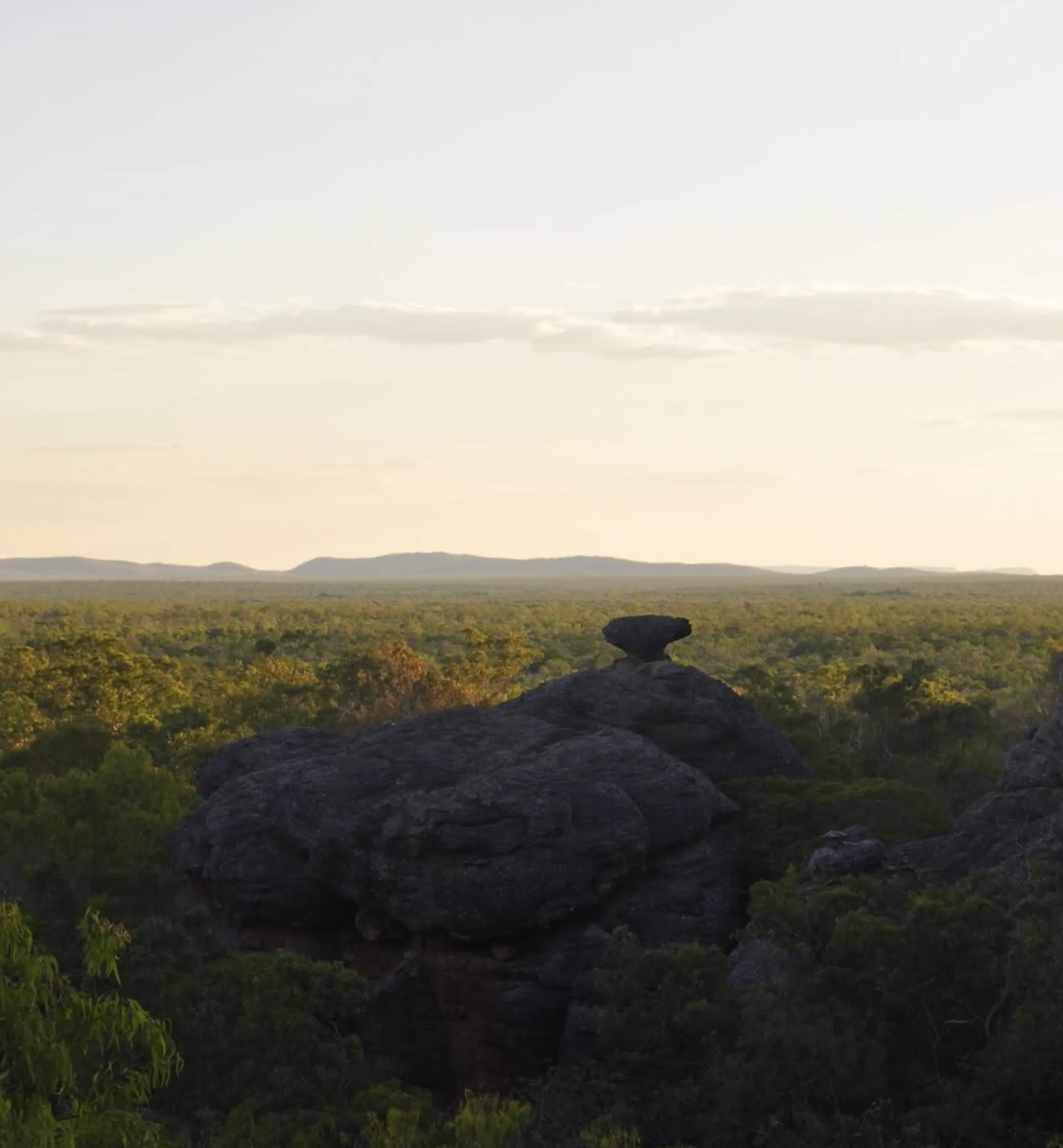
When you search Why Is It Becoming More Difficult for Tourists to Visit Kakadu National Park?, you’re not alone. I’m Paul Beames, and after years guiding through the Top End, I’ve seen this shift firsthand. Once, Kakadu was an easy tick on the bucket list. Now, it demands more planning, patience, and — let’s be blunt — a willingness to wrestle with closures, costs, croc warnings, and even issues like fire frequency and invasive species.
Changing Access: Roads, Permits and Closures
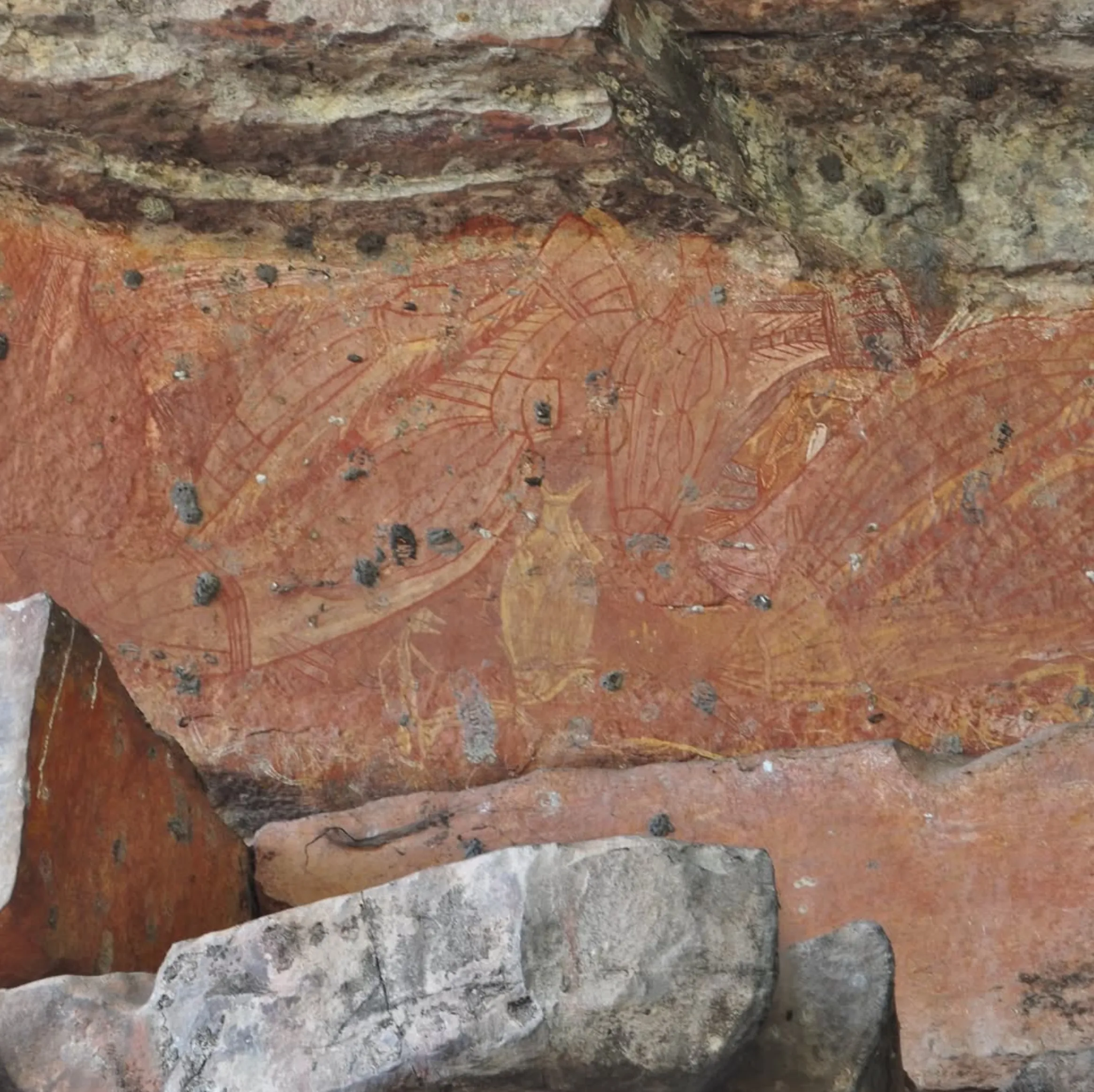
Kakadu isn’t just about hopping in the hire car. Access depends on seasons, 4WD clearance and whether Parks Australia has decided a track is safe. Roads that look straightforward on a map can be flooded, rutted or gated without notice. Storm damage from the last wet season can mean unexpected park closures, adding another layer of complexity.
- Dry Season (May–October): Most roads open, but corrugations can shake your fillings loose.
- Wet Season (Nov–April): Flash floods and croc risks close roads, campgrounds and iconic waterfalls.
- Permits: You’ll need a Park Pass and, in some areas, an additional permission to enter Aboriginal land.
A simple example: Jim Jim Falls Road. In July, it’s a bone shaker, but you can crawl in. Come December, it’s underwater and shut tighter than a croc’s jaw.
The Cost of Visiting Kakadu
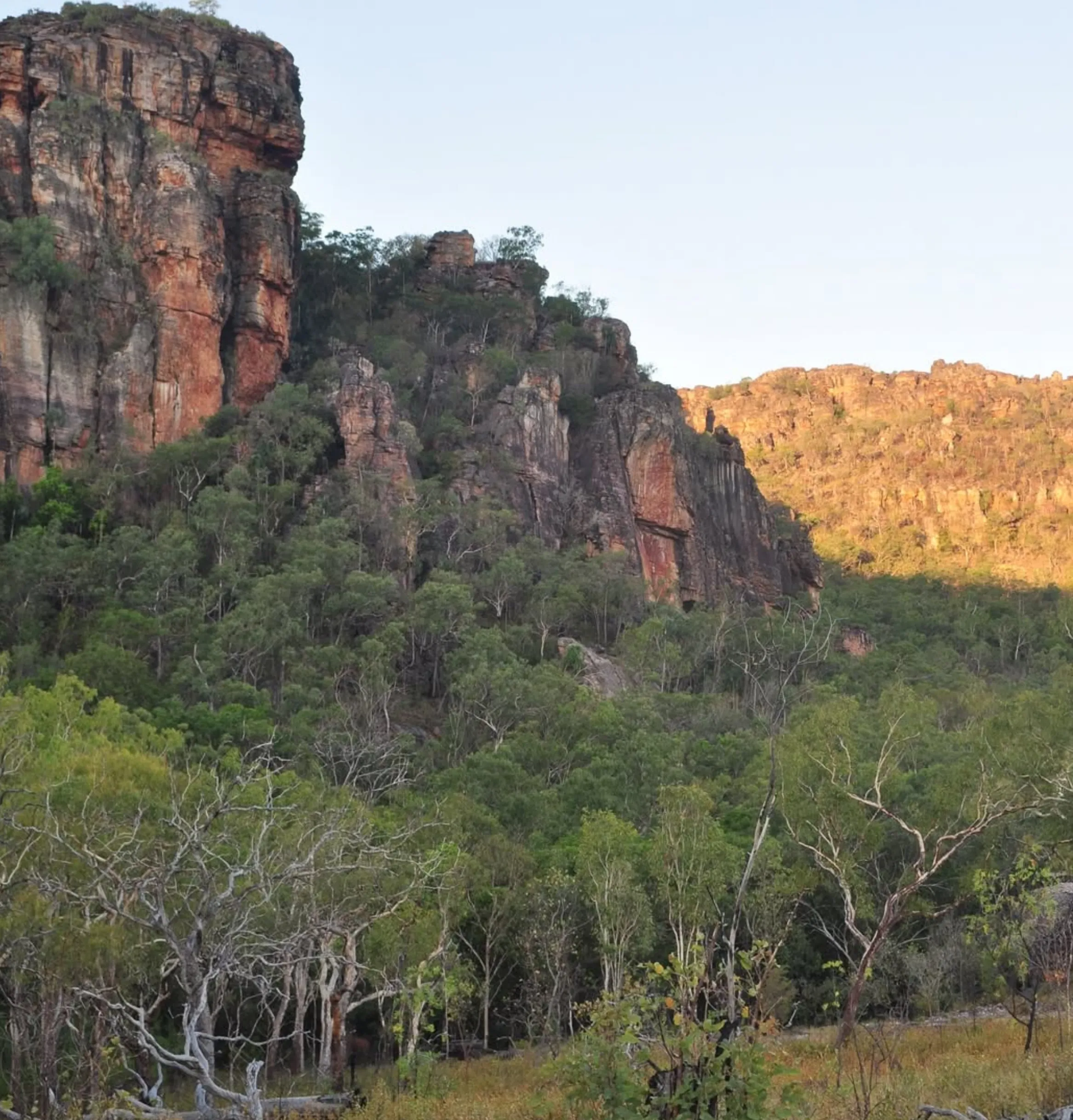
Travellers aren’t just battling conditions — they’re feeling it in their pockets. Entry fees, rising fuel costs and limited accommodation options all add up. In 2023, the Park Pass is $40 per adult (7-day pass). That’s before you factor in $2.50 a litre fuel along the Arnhem Highway or $300+ per night for lodge-style beds in Jabiru.
Here’s a quick look:
| Expense | Typical Cost (2024) |
| Park Pass (7 days) | $40 per adult |
| Fuel (Remote NT average) | $2.30 – $2.50 per litre |
| Campsite (Basic) | $15 – $25 per person/night |
| Lodge/Resort Accommodation | $250 – $350 per night |
| Small Group Tour (3–4 days) | $1,200 – $1,800 per person |
| Vehicle Insurance (Hire) | $40 – $70 per day |
For families or long-term road trippers, that adds up fast. No wonder some are choosing Litchfield or Nitmiluk instead.
Fragile Landscapes and Cultural Respect
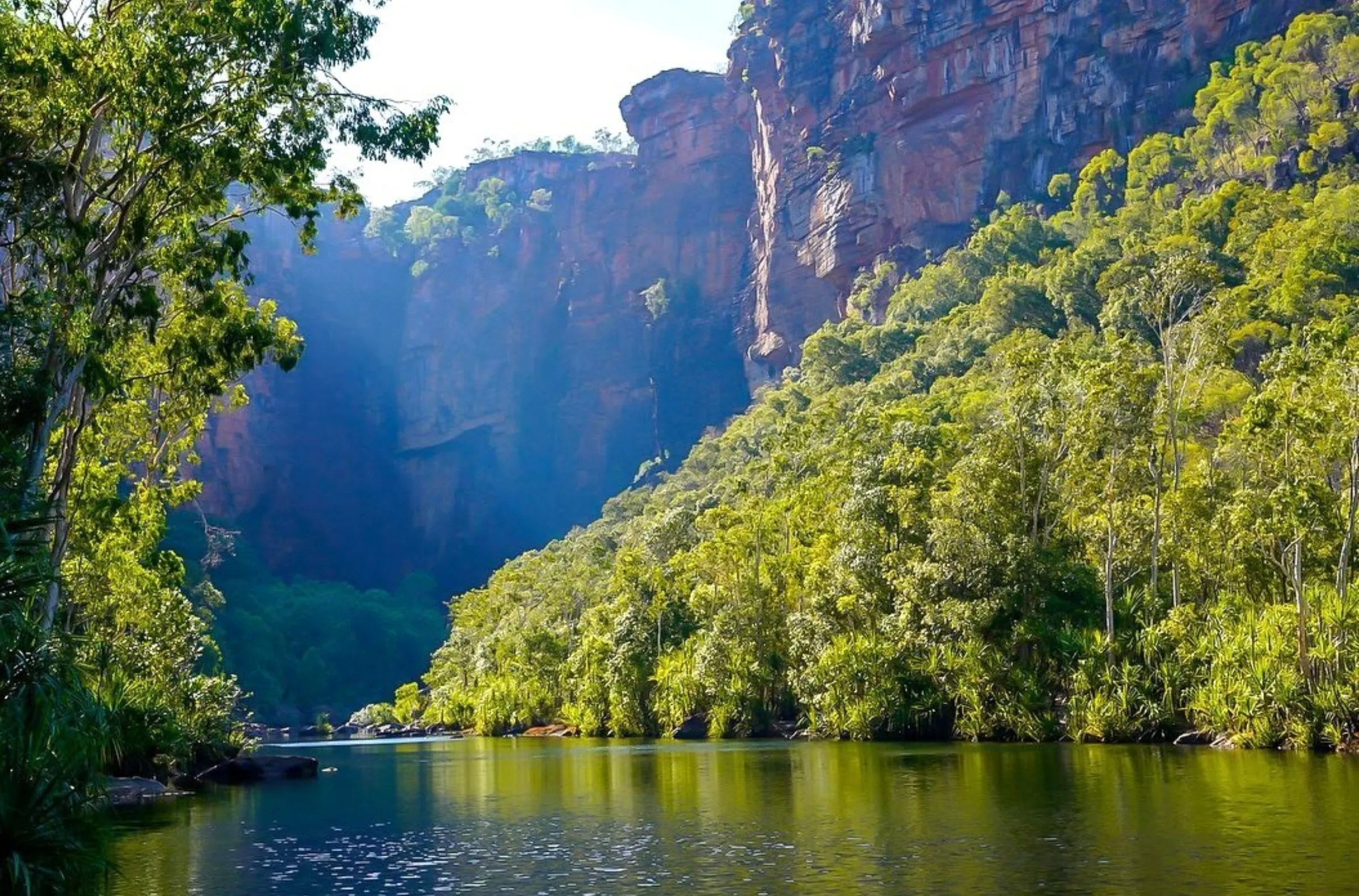
Kakadu isn’t just a playground. It’s World Heritage–listed for both culture and nature. Traditional Owners set conditions for access, and rightly so. Some rock art sites are off-limits, some pools closed for ceremony, and others closed for safety.
When I first guided through Ubirr, we’d climb to the top for sunset. These days, rangers carefully manage crowd sizes, and some areas are fenced to protect sacred Country. It’s not about making life harder for travellers — it’s about preserving tens of thousands of years of history.
Invasive species like cane toads and gamba grass are also changing the balance. Gamba grass fuels hotter bushfires, which increase fire frequency, threatening native plants and wildlife.
The Wet Season Gamble
One of the hardest parts of planning a Kakadu trip is timing. The Wet Season turns waterfalls into thunderous torrents and floodplains into mirror lakes. It’s beautiful — but also cuts off half the park.
You might get:
- Stormy skies and raging waterfalls.
- Empty campsites with mozzies for company.
Or you might get:
- Jim Jim, Twin Falls and Gunlom closed.
- Roadblocks that force you to drive hundreds of kilometres back the way you came.
I’ve had groups love the drama of the Wet, and others disappointed they couldn’t get to the “headline” spots. It’s always a gamble.
Infrastructure Struggles in Remote NT
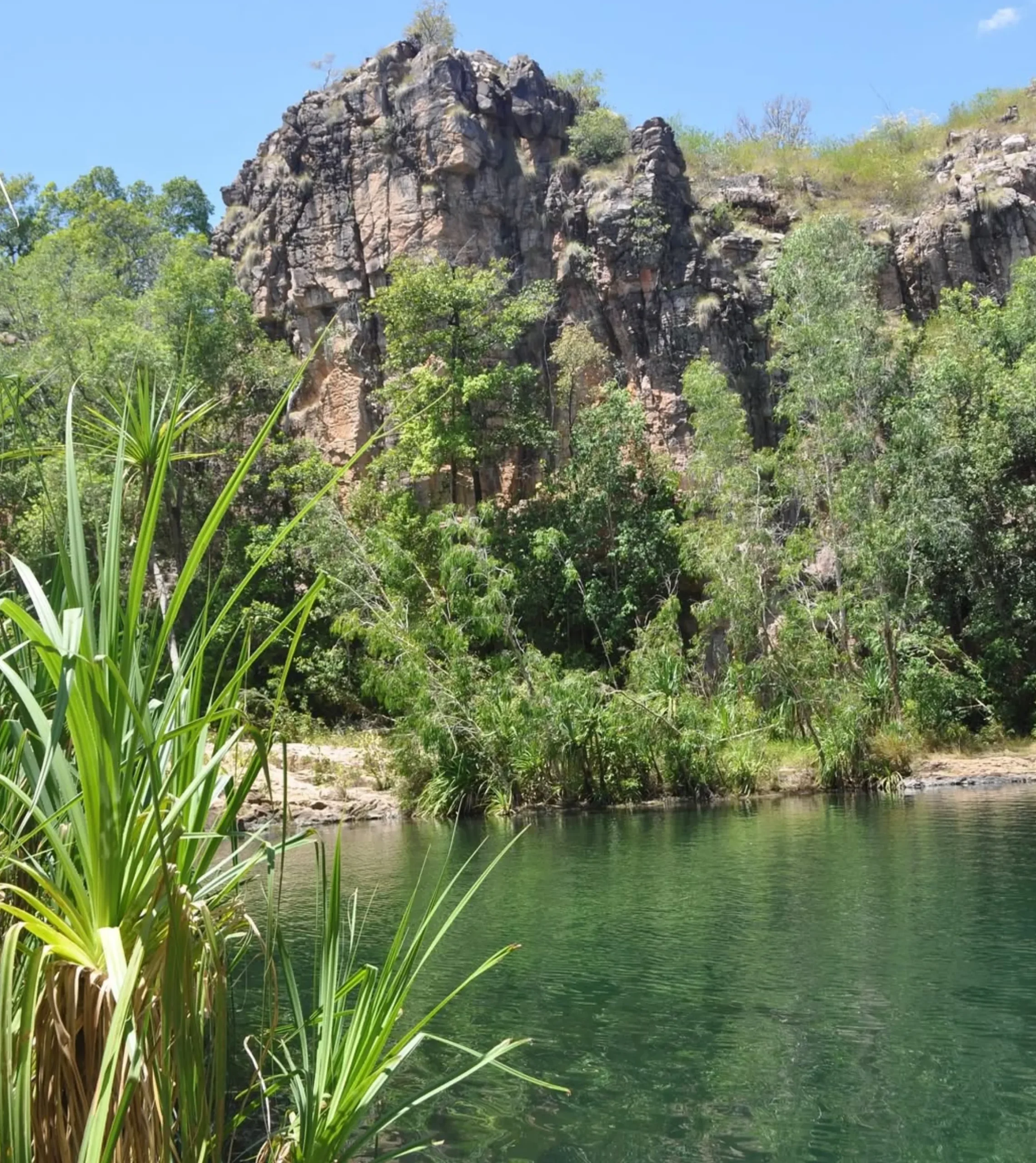
Kakadu is bigger than Switzerland, but its infrastructure hasn’t kept up with demand. Jabiru — the main hub — is in transition after the Ranger Uranium Mine closed. While there’s investment planned for a tourism facelift, the reality on the ground is limited food outlets, patchy mobile coverage and not nearly enough accommodation in peak season.
For travellers, that means:
- Book early or miss out.
- Bring supplies (yes, even spare dunny rolls).
- Accept that Wi-Fi is a luxury, not a guarantee.
Even basic services — like medical centres or reliable news home updates when storms hit — can feel a long way off.
Safety First: Crocs, Heat and Health
The Top End doesn’t mess around. Every year, travellers underestimate crocs, overheat on hikes or roll into Jabiru clinic with heatstroke. Rangers don’t close areas for fun — they close them because the risks are real.
Things that catch visitors out:
- Saltwater Crocodiles: Any waterhole not signed as safe should be assumed dangerous.
- Heat and Humidity: 35°C with 80% humidity can knock out even seasoned hikers.
- Long Distances: Kakadu is 20,000 km². That’s a lot of bush with not many service stations.
As I tell every group: be croc-wise, carry more water than you think you need and respect ranger advice. Even consider the video duration of safety briefings — short clips from Parks Australia can make a big difference in preparation.
A popular way to see the wildlife safely is by joining a Jumping Crocodile Cruise on the Adelaide River, often included in Kakadu National Park Tours.
Alternative Ways to Experience Kakadu
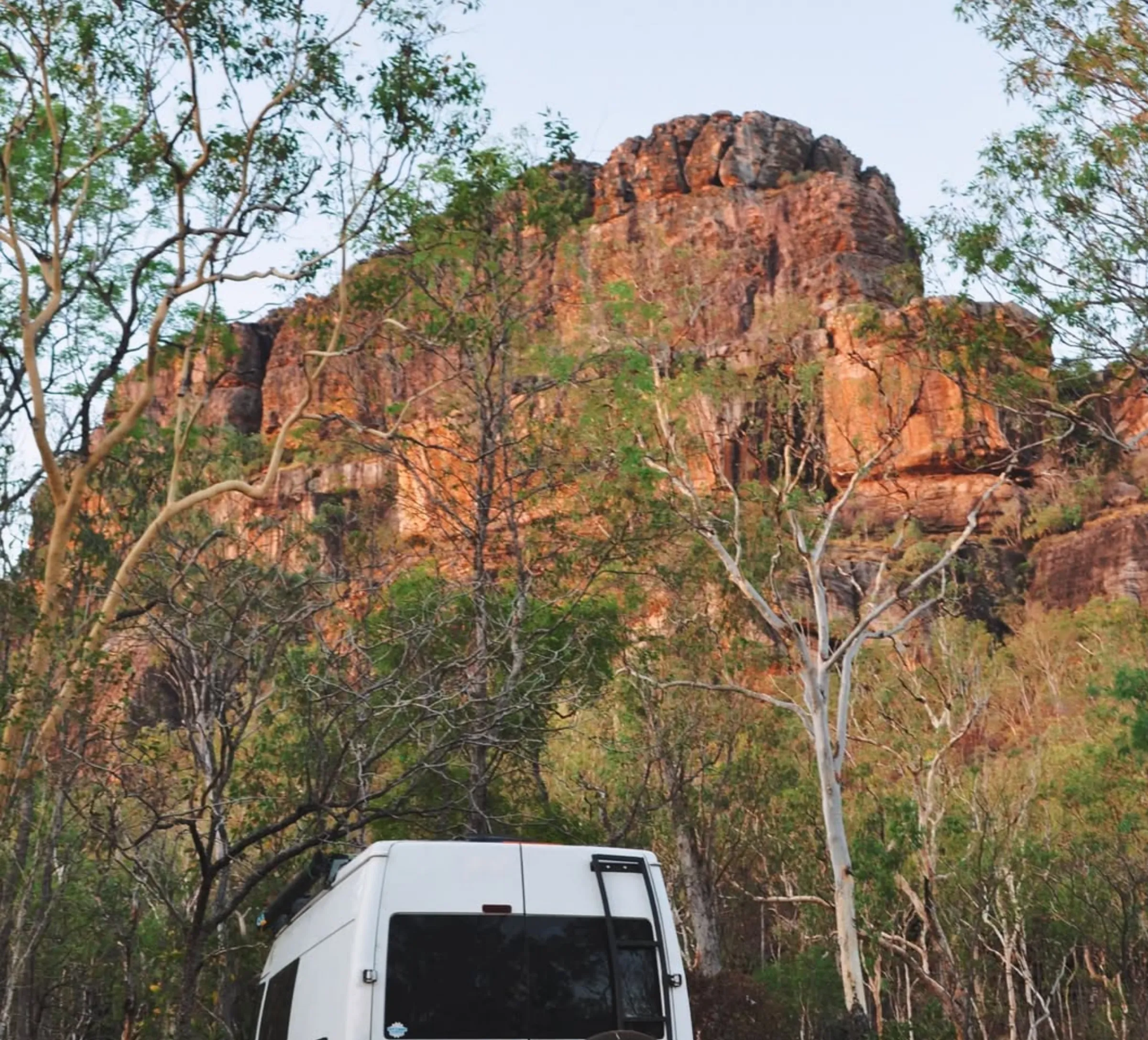
So how do you sidestep some of these hurdles? Here are a few tried and tested hacks:
- Join a Small Group Tour: Takes the stress out of planning, with guides who know which tracks are open.
- Visit Shoulder Season (April/May, Sept/Oct): Better balance between access and crowd levels.
- Mix in Day Trips from Darwin: If you’re short on time, a Darwin to Kakadu Day Trip gives you a taste of the highlights without committing to the full circuit.
- Consider Scenic Flights: When the roads are closed, the skies are still open — and the floodplains from above are something else. Autopia Tours has 2 Day Kakadu Tours from Darwin and 4 Day Kakadu Tour, which cover logistics, seasonal access and cultural experiences.
Get Lost Travel also run small group tours through Kakadu, which cover the same logistics with local knowledge.
Final Thoughts: Travelling Kakadu the Smart Way
Kakadu isn’t harder to get to because it’s unwelcoming. It’s harder because it’s precious, big and fragile. The increasing difficulty is because of the push to balance tourism with protection. If you go in with your eyes open — Park Pass sorted, vehicle insurance checked, plans flexible and respect front of mind — it’s still one of the best trips in Australia.
As I always say: the best things in the bush aren’t the easiest. Kakadu will test your planning, but it will reward you a hundredfold.
Got your own Kakadu stories or travel tips? Leave them in the comments — I’m always updating my notes.
FAQ
Do I need a 4WD to see the highlights of Kakadu?
Not for everything. You can get to Ubirr and Nourlangie in a 2WD. But for Jim Jim Falls, Twin Falls and Maguk a 4WD is essential.
When is the best time of year to visit Kakadu?
Dry Season (May–October) has maximum access. Wet (Nov–April) has dramatic scenery but limited access, often with tracks closed due to storms.
Are there croc-free swimming spots?
Yes, some plunge pools like Gunlom (when open) and Maguk are monitored. Always check with rangers before getting in the water.
How many days should I spend in Kakadu?
At least 3–4 days to see the main sights. A week gives you time to slow down and see multiple areas.
Can I visit Kakadu without a tour?
Yes. Independent travel is possible with planning. But Kakadu National Park Tours — like those run by Autopia Tours — help with logistics, seasonal access and cultural insight from local guides.