Which Part Of Australia Has Koalas?
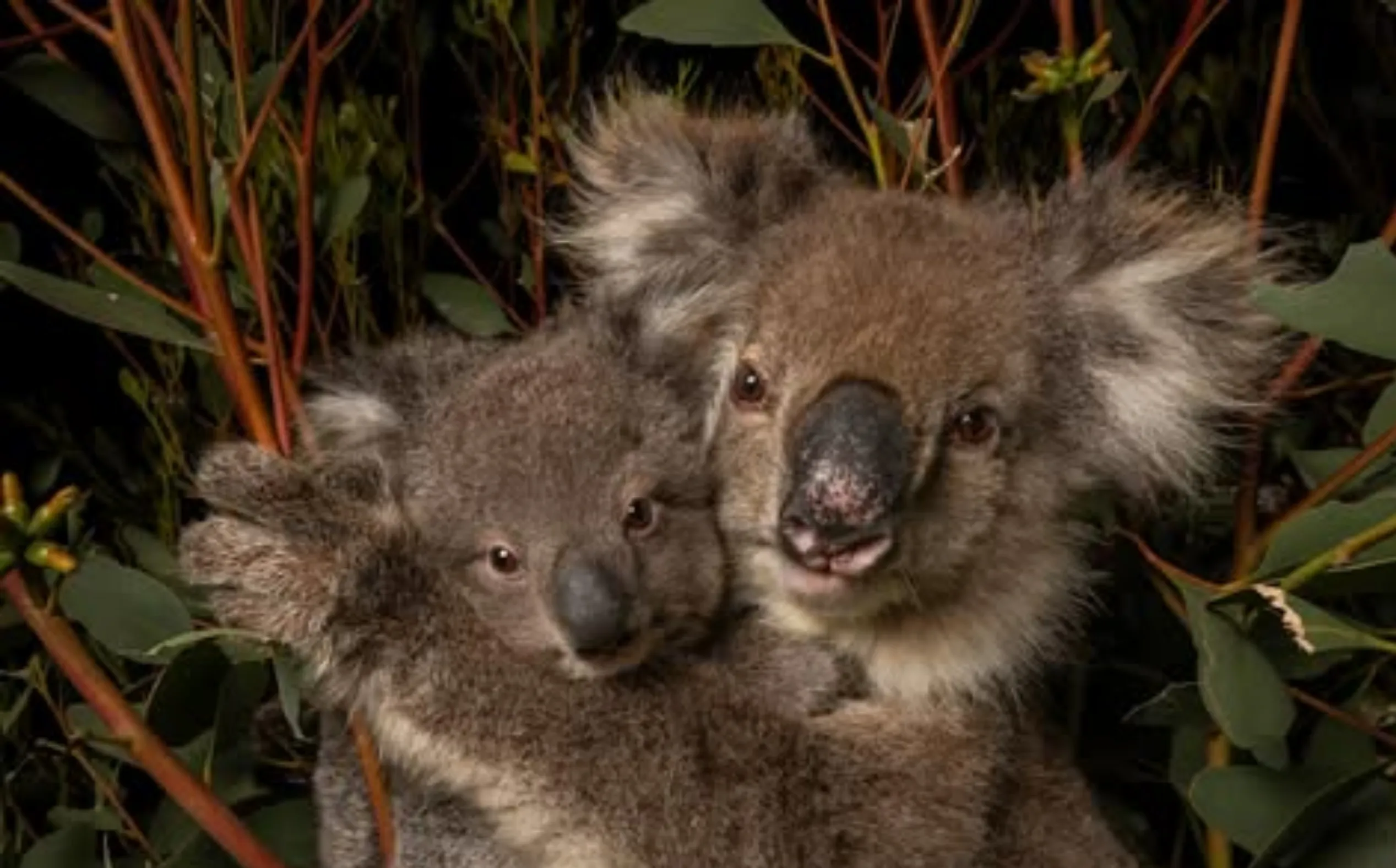
Which part of Australia has koalas? The short answer is that you’re going to mostly find koalas along Australia’s eastern and south-eastern coast – places like Queensland, New South Wales, Victoria, South Australia and of course the ACT. They stick to the eucalyptus forests and coastal scrub where the right gum trees are growing – you won’t find them in the desert, nor up in the tropics of the north & certainly not in every old backyard in the Outback.
The koala – known to scientists as Phascolarctos cinereus – is probably the most famous face of Australian wildlife. But you’d be surprised how many visitors arrive expecting to see them right across the board – from the bush to outback tracks. The truth is pretty straightforward: koalas only survive in places where their eucalypt food trees grow.
Let’s take a closer look at where in Australia you can find koalas, where you can reliably see them, and what makes these sleepy marsupials so fussy about the places they live.
Habitat Zones Across Eastern And Southern
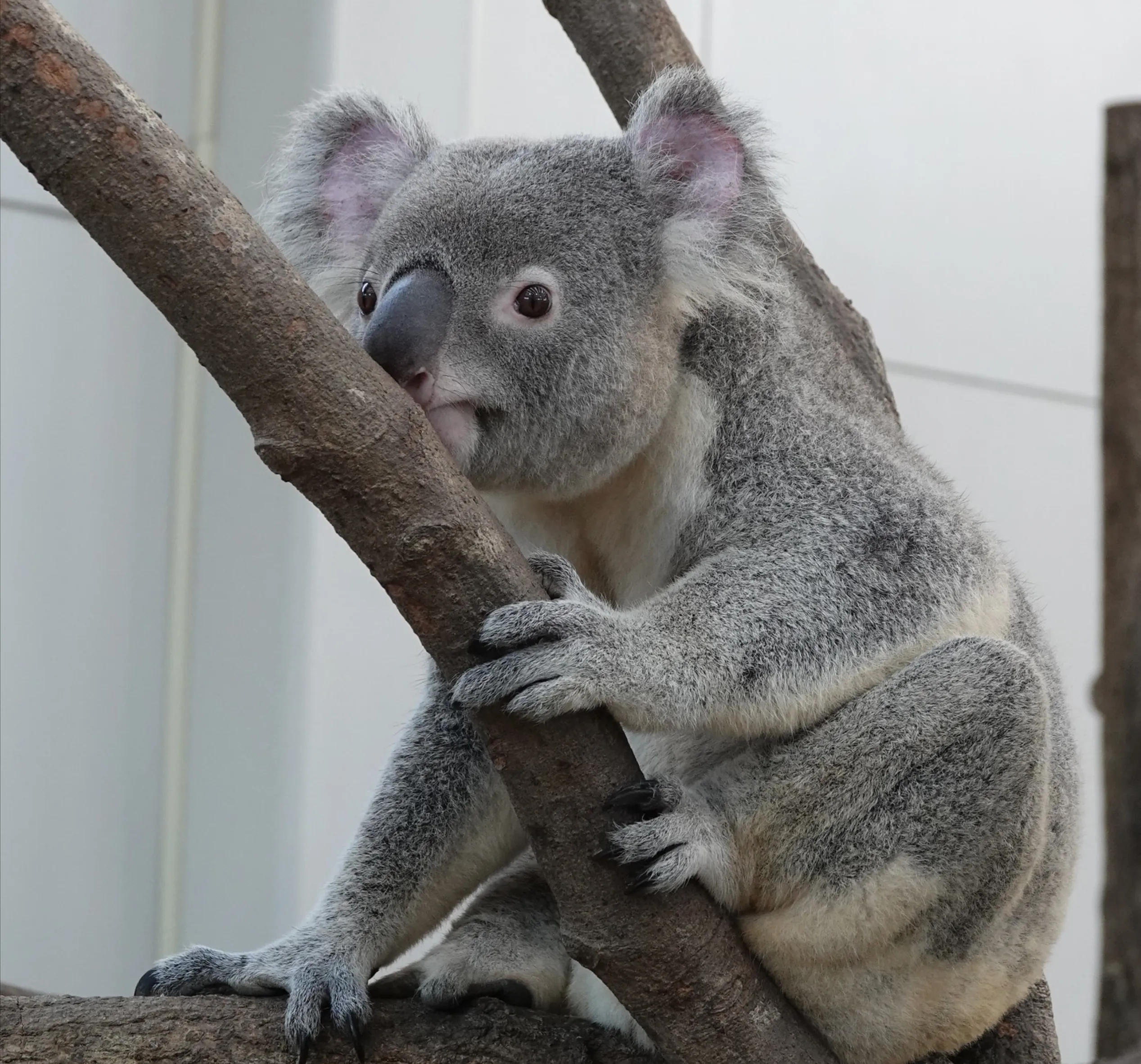
The truth is that koalas don’t roam all over the place. Their natural range takes the shape of a large arc that spans the eastern and south-eastern parts of the country, running from Queensland right down through New South Wales, Victoria, the ACT, and parts of South Australia.
They live almost 99% of the time in forests dominated by eucalyptus trees because those trees are their lifeblood – they just eat the leaves of them to survive.
Koala Distribution Across Australia
| Region | Koala Status | Habitat Type | Common Viewing Areas |
|---|---|---|---|
| Queensland | Native populations | Coastal eucalyptus forests | Magnetic Island, Brisbane region |
| New South Wales | Large natural populations | Coastal bushland | Port Stephens, Tilligerry Habitat Reserve |
| Victoria | Dense populations | Temperate forest | Kennett River, Raymond Island |
| South Australia | Introduced populations | Coastal woodland | Kangaroo Island, Mount Lofty Ranges |
Queensland: Northern Territory
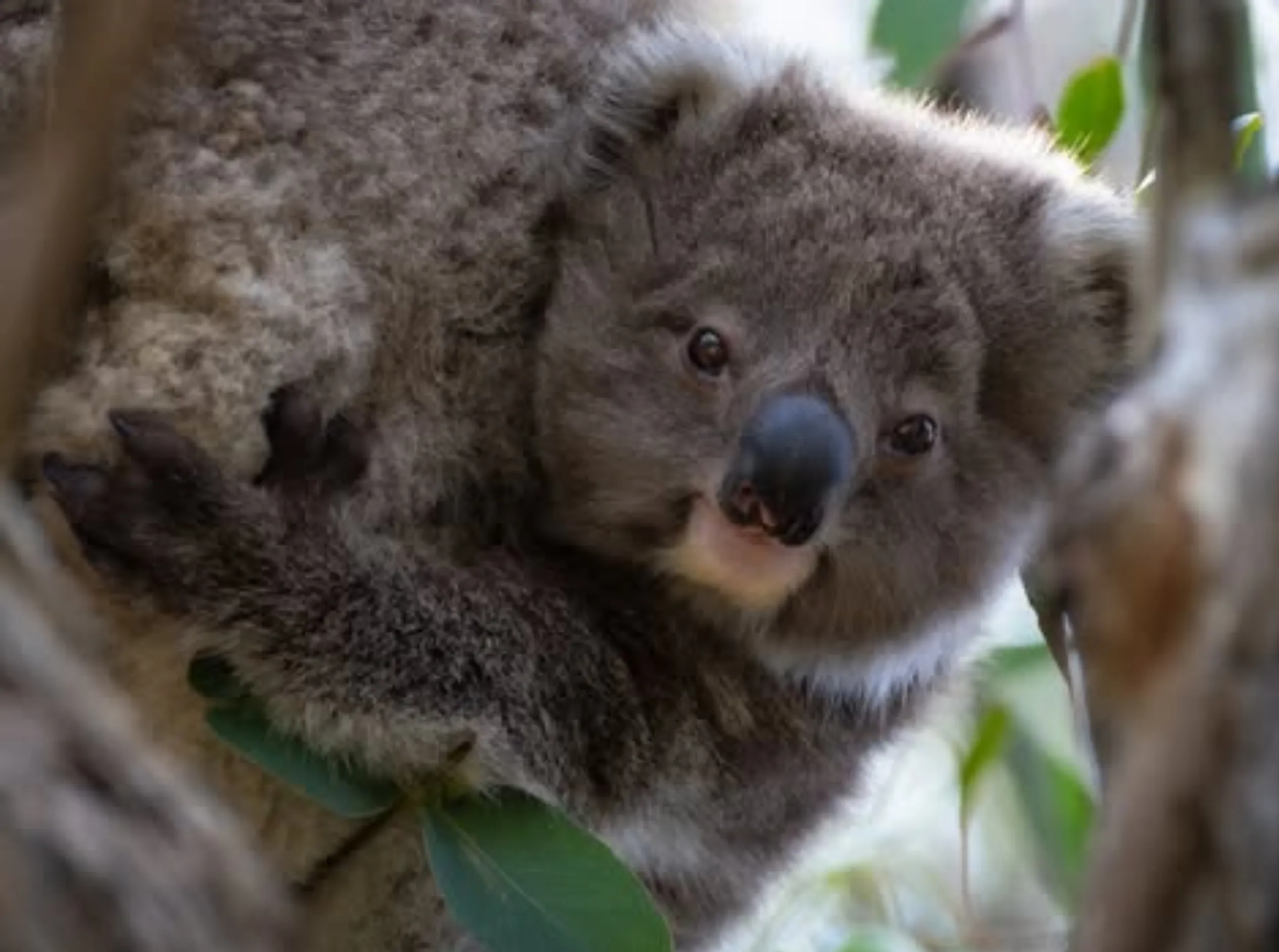
Queensland is where you’ll find northern koalas, which are slightly smaller and lighter in colour compared to the ones you find down in the south. The climate up here is warmer, and that’s why the koalas have adapted to have shorter fur and different eating habits.
For the most part, South-east Queensland is where you’ll find most of the state’s population, particularly in and around the Brisbane region & coastal bushland.
Places To See
- • Magnetic Island – This is one of the easiest places to see wild koalas just chillin’ in their natural habitat.
- • Lone Pine Koala Sanctuary – Australia’s oldest koala sanctuary is not far from Brisbane.
- • Currumbin Wildlife Sanctuary – A big Wildlife Hospital that looks after injured native wildlife.
- • Goonderoo Reserve – A private bushland conservation area that’s working to protect the koalas’ habitat.
Lots of people combine a bush walk with a visit to a sanctuary or conservation centre to learn more about the koala conservation movement and the health issues that these poor buggers are facing.
One of those problems is Koala retrovirus, a disease that’s affecting the immune systems of many wild populations.
New South Wales: The Heart Of Country
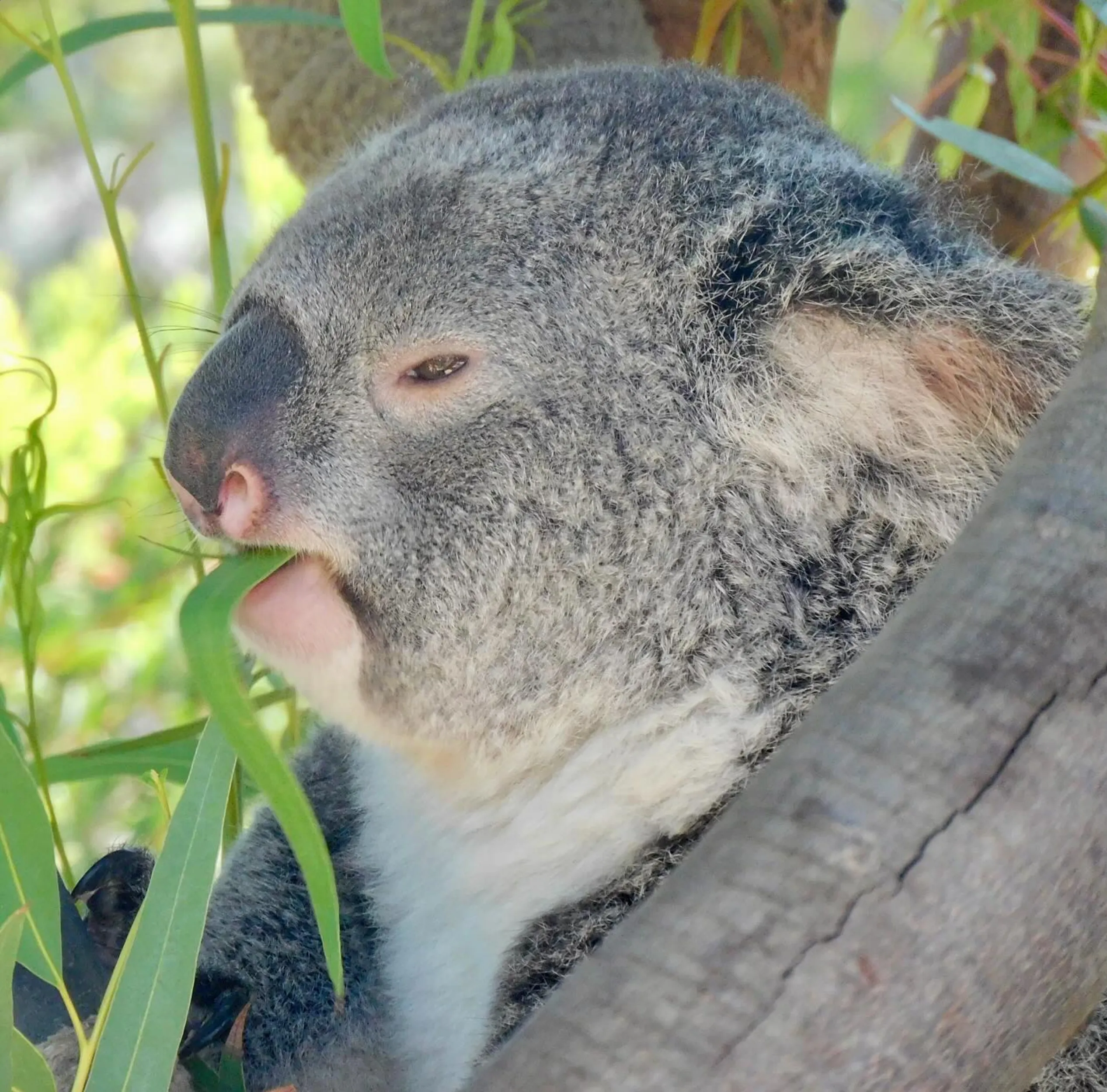
New South Wales is home to some of Australia’s most important koala habitats. Big stretches of coastal forest have the right mix of gum trees, food, and mild climate.
There are some real hotspots – forests that are supporting thriving populations, particularly around coastal reserves.
Hotspots In NSW
- • Tilligerry Habitat Reserve near Tanilba Bay
- • Port Stephens coastal bushland
- • Bongil Bongil National Park near Coffs Harbour – This one’s a winner
- • Blue Mountains bushland is also worth checking out
Koalas in these parts rely heavily on eucalypt food trees, including:
- • Manna Gum (Eucalyptus viminalis)
- • River Red Gum (Eucalyptus camaldulensis)
- • Forest red gum and blue gum varieties
The thing is, because koalas have a pretty fussy diet, the presence of the right trees is what determines whether a population survives.
Victoria: Dense Populations Along The Coast
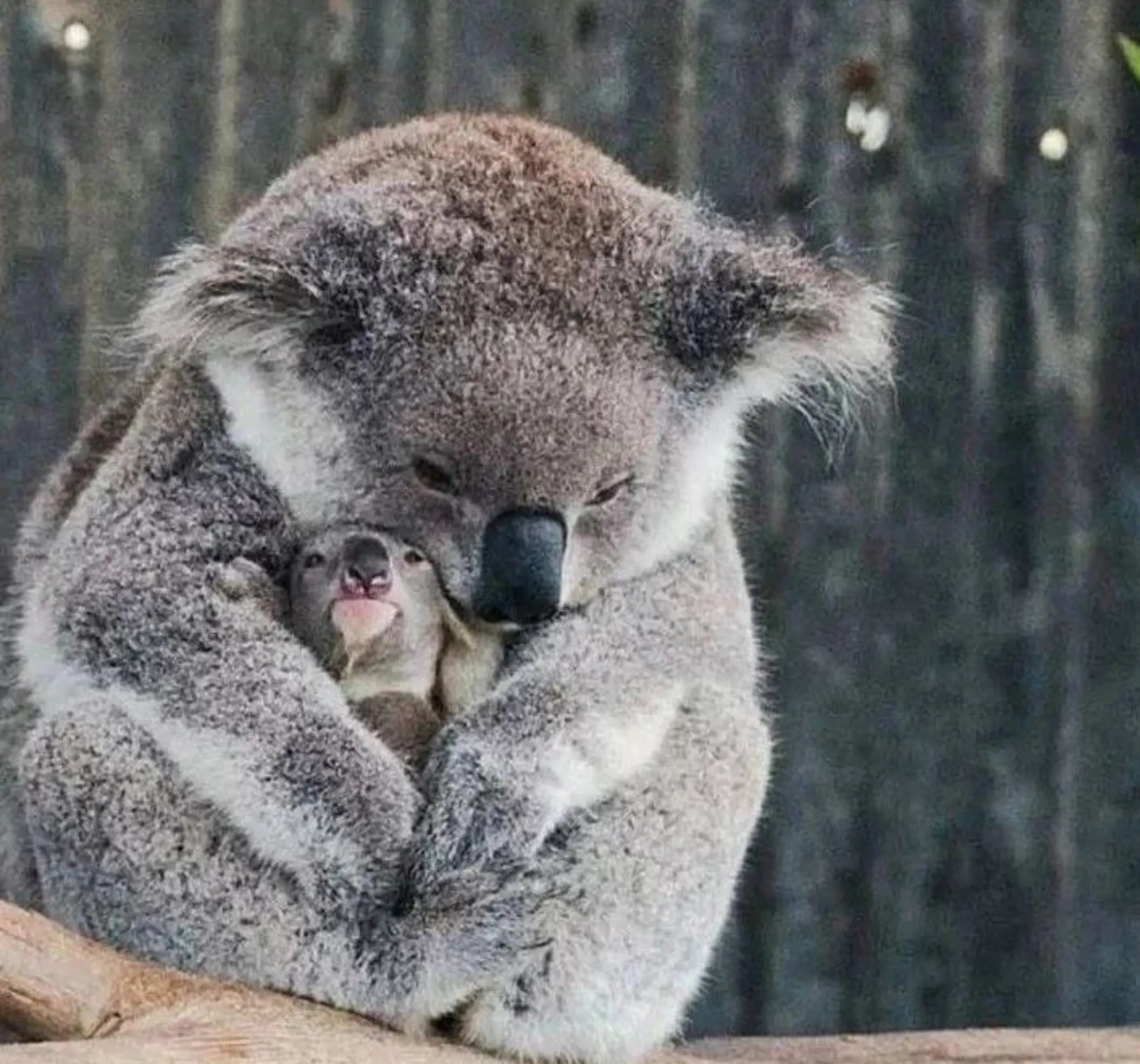
Victoria is probably the easiest place to see southern koalas just chillin’ in the wild. The cooler climate means thicker fur and slightly larger animals compared to their northern cousins – one of the clearest visual differences between the different koala populations.
Best Locations
- • Kennett River along the Great Ocean Road
- • Raymond Island in Gippsland – This is another good one
- • Cape Otway forests are worth a look
- • Brisbane Ranges National Park
- • You Yangs Regional Park is another one to add to the list
Kennett River is like the mecca for wildlife watchers. A short walk along Grey River Road and you might just spot a few wild koalas snoozing in the low branches.
Some folks also like to spot koalas around waterways, like:
- • Balliang Creek
- • Little River
- • Werribee River
These riparian zones are perfect for eucalyptus trees, which are like the koalas’ favourite restaurant – a never-ending buffet.
South Australia: Kangaroo Island’s
While Koalas are pretty common across Eastern Australia, South Australia has a pretty unusual story when it comes to Koalas.
Large numbers were introduced to Kangaroo Island in the early 20th century because the mainland was under huge hunting pressure, and it was a last resort to save the species.
These days, the island is home to one of the best places in the country to see Koalas living their best lives in the natural bush.
Places To See
- • Flinders Chase National Park – a must-visit if you want to get up close to these amazing animals.
- • Hanson Bay Sanctuary – more stunning scenery and some of the highest Koala populations in the state.
- • Just near Adelaide, take a trip to the Mount Lofty Ranges – you might be able to spot a Koala or two.
- • Take a walk through Kangaroo Island’s stunning Coastal forests – it’s pure Aussie magic.
Wildlife tourism groups like Exceptional Kangaroo Island have a range of guided walks that let you see Koalas and other Aussie wildlife up close while keeping you safe. They’ll take you on an unforgettable adventure through the island.
Kangaroo Island is also home to show that Koalas have been living off eucalyptus for millions of years, gradually adapting to this specialised Bush Heritage Australia.
Why Eucalyptus Forests Shape The Koala Range
Koalas have a diet that’s pretty much the most specialised among all mammals – they only eat eucalyptus leaves, and only the good stuff at that. Some species of eucalyptus leaves actually contain toxins that would put off just about every other animal, but Koalas are different.
Although Australia has a massive number of eucalyptus species (over 700!), Koalas have figured out exactly which ones to munch on, and amongst those, Manna Gum, River Red Gum, and a few others stand out as their go-to foods.
These eucalyptus leaves have compounds that are toxic to most animals, but Koalas have a special gut that lets them break them all down, which means they’ve got a food source that’s all but theirs alone.
Fossils show that Koalas have been living off eucalyptus for millions of years, gradually adapting to this specialised how we can diet.
Practical Advice For Spotting In The Wild
So you want to see a Koala in the wild, eh? Well, be warned, these guys like to sleep a lot – up to 18 hours in a single day! That means you’ve got to be patient and keep a sharp eye out for them.
Spotting Checklist
- • Walk quietly and don’t disturb the wildlife when you’re making your way through the eucalyptus forest.
- • Have a good look up high in tree forks and branch junctions – that’s where they like to hang out.
- • Don’t rush – Koalas don’t move around much.
- • Keep an eye out for falling leaves – a good sign of Koala activity.
- • Binoculars are your best friend when trying to spot a Koala.
If you’re all about wildlife photography, places like Raymond Island, Magnetic Island, and Kennett River are some of the best places to see wild Koalas without having to go deep into the bush.
Wildlife Centres Supporting Conservation
If you’d rather not just go out and find Koalas in the wild, you can visit one of several wildlife parks and sanctuaries that specialise in Koala conservation.
Places like Lone Pine Koala Sanctuary (Brisbane), Taronga Zoo (Sydney), Currumbin Wildlife Sanctuary (Gold Coast), and Wildlife Wonders near Apollo Bay offer a chance to learn more about Koalas and how we can protect them. These places also help fund research, rescue programs, and public education about the threats facing the Koala species across Australia.
Koalas By The Numbers
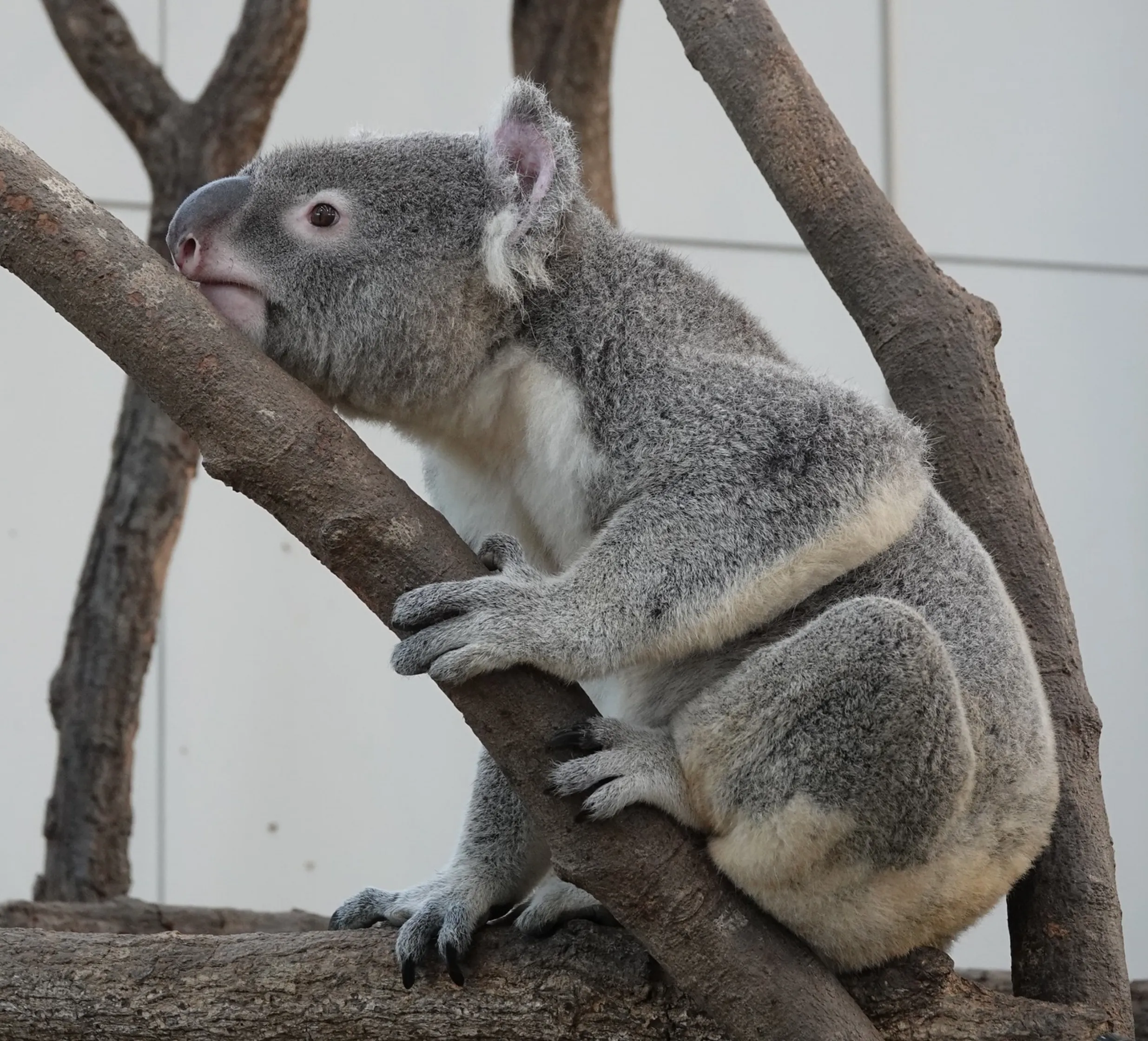
| Fact | Data |
|---|---|
| Scientific name | Phascolarctos cinereus |
| Daily sleep time | 18–20 hours |
| Daily leaf intake | ~500 grams of eucalyptus leaves |
| Natural distribution | ~1 million km² |
| Estimated national population | 92,000 – 188,000 |
Koalas face mounting pressures from habitat loss, disease, and climate change, all of which are affecting their very survival. Conservation efforts across New South Wales, Queensland, and South Australia focus on saving our iconic koalas by protecting forest corridors and restoring eucalyptus-based habitats, while addressing occasional bushfires and diseases that affect their foraging habitats and survival.
Respecting Country And Wildlife
Koalas roam the lands belonging to many Traditional Owner groups in eastern Australia,lia – so let’s treat these areas with respect.
Visitors to these areas should do their bit to help preserve the koalas by:
- • Sticking to designated walking tracks
- • Not disturbing the wildlife – they’re just as much at home as we are
- • Absolutely no feeding the koalas – that’s just asking for trouble
- • And be super careful on those bush roads at night
Koalas may look all relaxed and harmless, but they’re still wild animals living in incredibly fragile ecosystems – so let’s treat them with care.
Final Thoughts From The Track
For the best shot at spotting koalas in the wild, try eastern and southern Australia, where eucalyptus forests stretch as far as the eye can see. If you want your best chance at a koala sighting, head to Queensland, New South Wales, Victoria, and South Australia – especially Kangaroo Island.
Take your time when walking through the forest, keep your eyes peeled for those gum trees, and eventually the bush will reveal its quiet treasures.
And if you really want to boost your chances, why not join a guided wildlife tour in Australia with the experts at Wildlife Tours? – Chances are, the guide already knows exactly where that first koala is snoozing the day away.
FAQ
Do koalas live all over Australia?
No, they prefer the east and south-east coasts – that’s where you’ll find them in Queensland, New South Wales, Victoria, and South Australia.
Are there koalas in Western Australia?
Not naturally, but you can find them in wildlife parks, which can be great for a conservation or educational experience.
Where’s the easiest place to spot wild koalas?
Kennett River on the Great Ocean Road, Magnetic Island, and Raymond Island all have a great reputation for spotting wild koalas.
What do koalas eat?
Koalas eat almost nothing but eucalyptus leaves, preferring certain types of eucalyptus food trees because they’re the right food for them.
Why are koalas in trouble?
Unfortunately, major threats include habitat fragmentation, occasional bushfires, diseases such as Koala retrovirus, and urban sprawl.