AI Mapping Apps Vs. Manual String Mapping: Which Do Courses Teach?
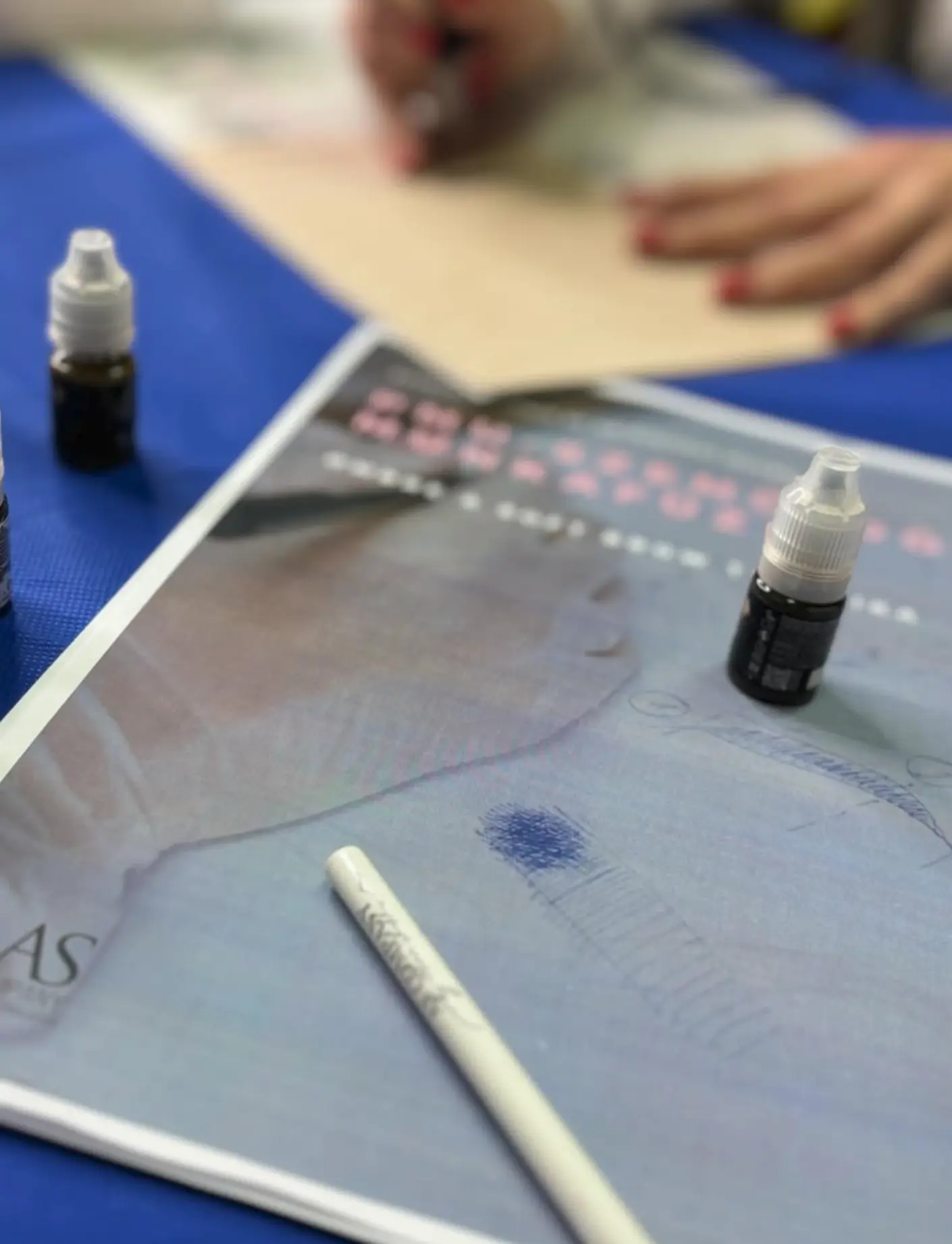
AI mapping apps vs manual string mapping: what do courses teach? I get asked that a lot by new artists who come into my Melbourne studio, and after taking a gander at perfectly symmetrical brows on social media, they’re left wondering how we get them looking so precise.
Here’s the real deal: good courses teach you both AI mapping apps and manual string mapping, but not equally, and definitely not the way Instagram makes it out to be.
At Cosmetic Tattoo Studio Melbourne Face Figurati, I’ve had the pleasure of training artists from all walks of life, from total beginners who just completed a microblading brow course to seasoned technicians looking to transition into advanced cosmetic tattoo training. The difference in their results usually comes down to one thing: how well they grasp those fundamental mapping skills.
Strong Foundations Beat Tech Shortcuts Every Time
Before we start comparing tools, it’s worth understanding what mapping actually does – this isn’t about drawing lines, it’s about understanding and reading a face.
I mean, in Melbourne, I see a lot of clients with asymmetrical brows, muscular imbalances, or work that’s shifted over time because of prior tattoos. No AI tool can fully interpret those details on the fly.
Mapping is all about creating structure that works at rest and in motion – that’s the difference between brows that look okay in photos and brows that actually look good in real life – like, when the client is actually talking to you and smiling.
At Cosmetic Tattoo Studio Melbourne Face Figurati, I handle many correction cases because people have placed too much faith in digital mapping. It might look balanced on screen, but as soon as the client moves, the whole thing falls apart.
Why Training Always Starts With Manual Techniques
Every top-notch cosmetic tattoo training program starts with manual mapping, and that’s no accident.
You need to train your eye, your hand, and your judgment before you try to introduce technology. If you don’t, you’re just copying shapes without actually understanding them.
People coming from lip tattoo courses often don’t expect mapping to play such a big part, but trust me when I say that this skill carries over into everything you do.
In training, you learn how to:
- Identify natural brow shapes and how they work on a particular face
- Measure up facial features accurately
- Adjust for asymmetry without forcing it to be symmetrical
And let me tell you, this takes time – it’s not unusual for students to struggle with this at first, especially if they’ve come from a microblading brow course where they may have been oversold on the idea that mapping is easy.
Where AI Tools Support — But Don’t Replace — Your Skillset
AI mapping apps are now part of modern training, especially in advanced program courses.
They use AI, machine learning and facial recognition to suggest shapes – some even have natural language prompts and automated overlays to guide you along.
They’re useful – but they only work if you use them right.
In practice, AI tools are best for:
- Giving you a visual idea of what a brow could look like during consultations
- Speeding up the initial design process a bit
- Helping you communicate with your clients
But they don’t teach you how skin behaves or how pigment settles – that’s all still learned through experience.
At Cosmetic Tattoo Studio Melbourne Face Figurati, we use digital tools to assist us, not to make decisions.
The Real Difference You Notice In Student Results
Here’s how the two approaches compare in real-world training:
| Factor | Manual String Mapping | AI Mapping Apps |
|---|---|---|
| Skill Development | High | Moderate |
| Accuracy | High with experience | Moderate |
| Adaptability | Excellent | Limited |
| Learning Curve | Slower | Faster initially |
| Long-Term Results | Consistent | Variable |
What We See In Real Students
Artists who rely solely on apps often struggle when transitioning from beginner programs, such as lip tattoo courses, to more advanced work.
A Structured Learning Approach
- Mastering manual mapping from scratch
- Getting a good understanding of facial anatomy
- Practising on different face types
- Digital tools get introduced later on
- Applying it all with live models
At Cosmetic Tattoo Studio Melbourne Face Figurati, that’s exactly how we teach our training – whether it’s someone new to microblading or a more advanced fine line tattooing course.
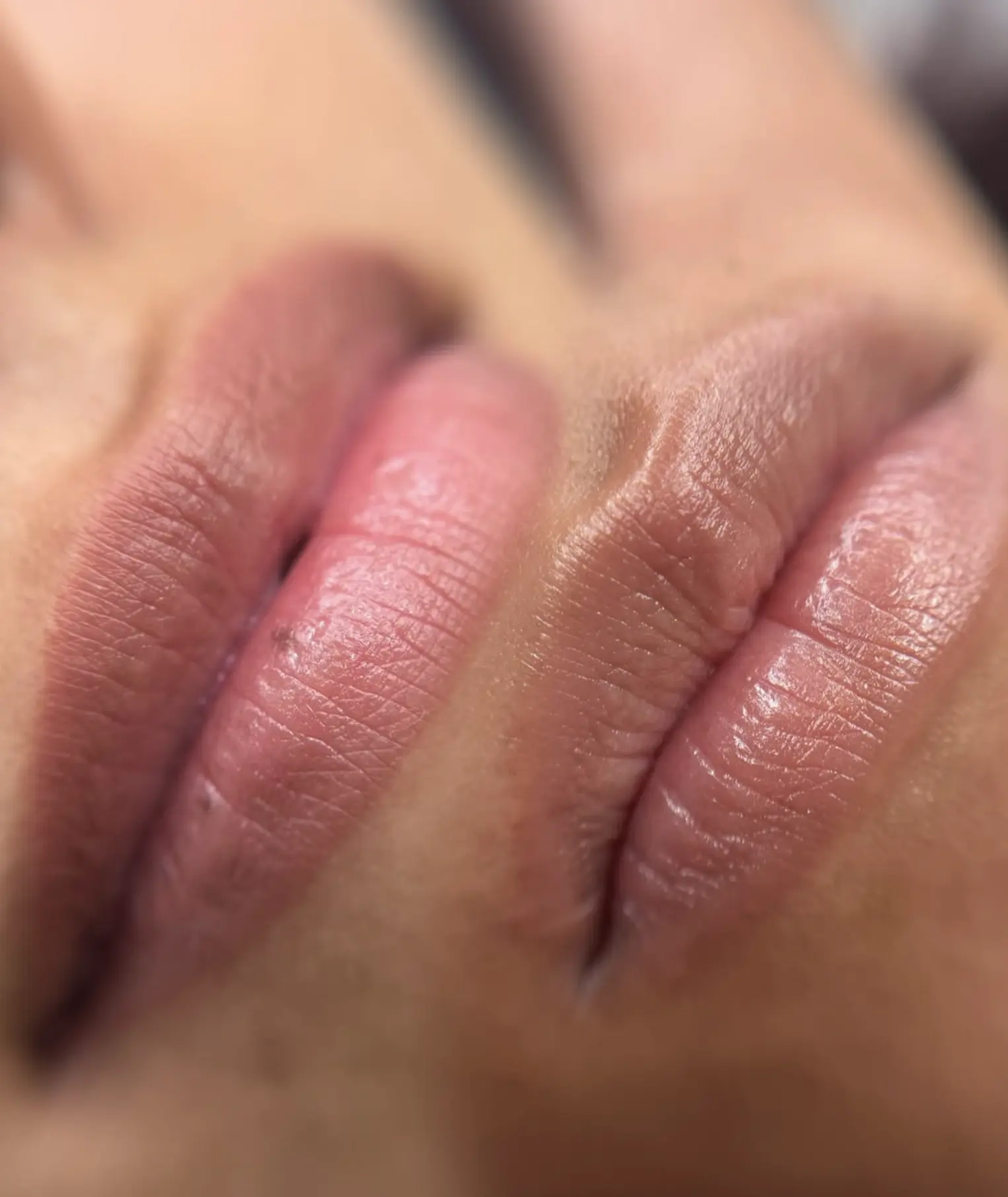
When Technology Didn’t Translate To Real Life
We had this one client come in – she’d got her brows done elsewhere, and the artist had heavily relied on an app to get the job done.
Worked perfectly on screen – but in real life? The brow lifted way higher when she smiled, and the tails were all over the place.
We fixed it using manual mapping – adjusted the shape to fit her actual face properly.
That’s something no app can sort out for you.
Why Melbourne Conditions Change The Way We Map
Working in Melbourne means you have to deal with all sorts of conditions:
- Dry winters
- Muggy summers
- Blistering UV exposure
All of these affect the skin and the pigment, which means you have to stay flexible with your mapping.
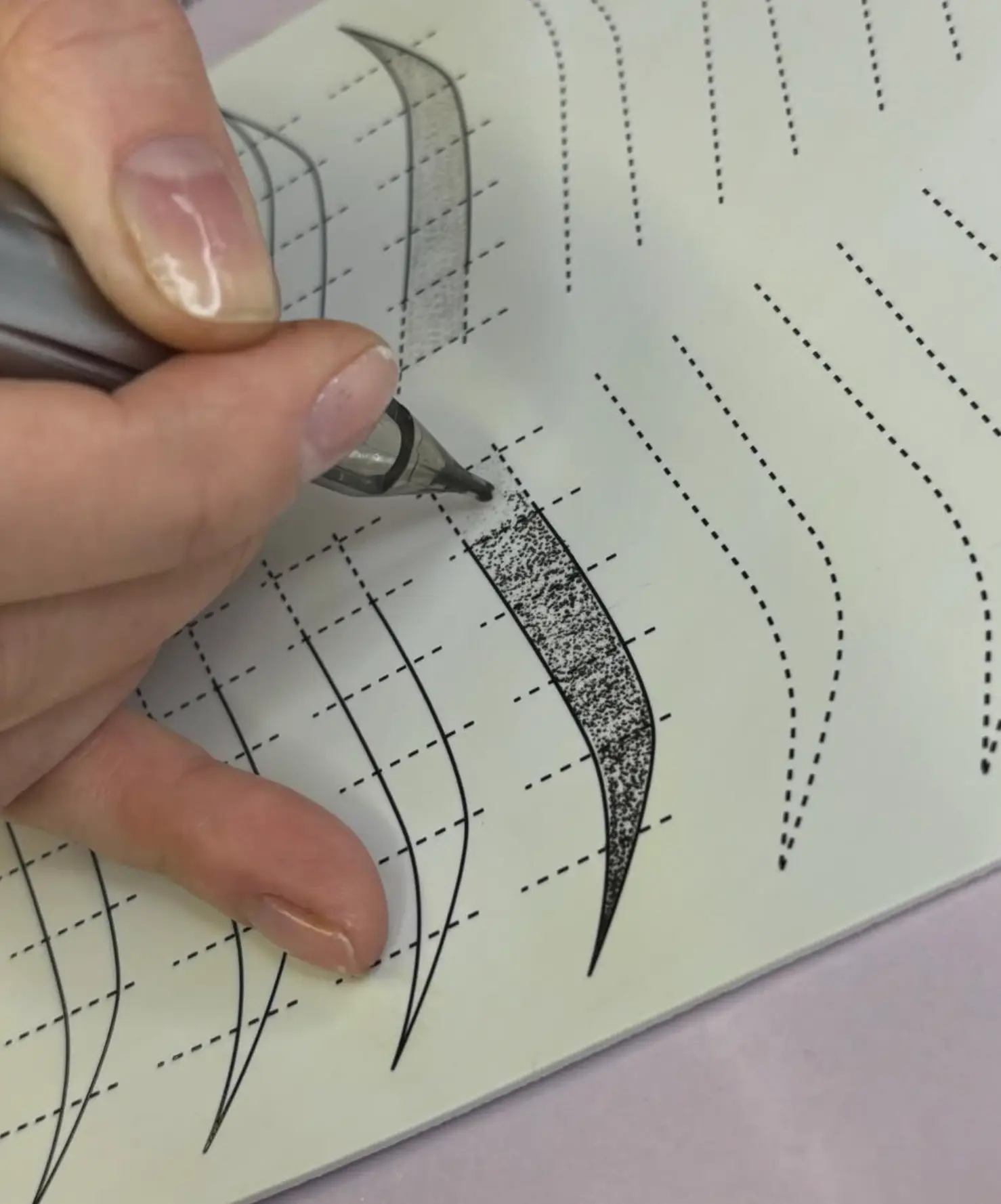
The Subtle Mistakes That Hold Beginners Back
Most of the time, it isn’t a lack of effort but just not understanding something properly that causes mapping issues.
The most common problems I see are rushing the process, trusting the app rather than actually looking at the client, or trying to copy a trendy shape that just doesn’t suit them.
The fix is pretty simple – just take your time and actually look at the client.
We keep saying that to our beginners, whether they’re doing microblading training or expanding into fine line tattooing.
Final Thoughts — What Actually Makes You A Great Artist
Here’s the deal: it’s not the tools that make you a good artist – it’s your understanding.
AI mapping apps can be useful. I use them sometimes.
But manual mapping? That’s the foundation you need to be good.
At Cosmetic Tattoo Studio Melbourne Face Figurati, we teach artists actually to understand the face – whether they’re coming from lip tattoo courses, doing fine line tattooing, or going through advanced cosmetic tattoo training.
Because at the end of the day, your client isn’t going to care about the app you used.
FAQ
Do beginners learn manual techniques before using apps?
Yeah – any good training program starts with hands-on methods, it’s the only way to learn.
Are digital tools necessary for beginners?
No – they can be helpful, but not essential.
Which approach gives you long-term confidence?
Learning manual mapping builds up your decision-making skills over time.
Can tech improve your speed during consultations?
Yeah – once you understand the fundamentals, it can help speed things up.
Do advanced artists still use traditional methods?
Absolutely – experienced artists rely on them every day for accuracy and control.